How to Know if Your Septic Tank Needs Maintenance

by Ri Industries

When it comes to your septic tank, it can be nice to have a professional by your side to help you with septic tank maintenance. How do you know it is time to call in a professional? Inspecting your septic tank between pumping schedules is just as important as calling in a plumber or someone from your local council when you need help. Follow these quick guidelines for a routine at-home septic tank check-up. These tips can help you catch any potential problems early on, sometimes even before they happen.
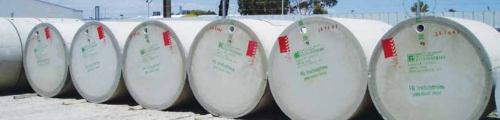
Ri-Industries septic tank

When it comes to the septic tank in your home, you made need to ask some questions:

How often does my septic tank need pumping?

Most septic tanks need a pump-out every four to five years. In the meantime, you should check your tank for buildup every one to three years until you achieve a predictable maintenance schedule. The most common cause of septic tank problems is negligence, so make sure to keep annual or bi-annual inspection on your household to-do list.

What is my role in keeping my septic system safe and working properly?

As a septic tank owner, it is your job to make sure the house drains and tank don’t leak. It is also your job to make any needed repairs and get the tank pumped or de-sludged when it becomes too full. One of the key steps to keeping your Ri-Industries system well maintained is ensuring your system is regularly checked.

Can I inspect the septic tank myself?

If you are feeling particularly ambitious, you can try an at-home inspection yourself, but keep in mind septic tanks may contain toxic or flammable gases.

Step 1: To perform this process, you will need to remove the inspection cover and leave the inspection site uncovered for a few minutes.

Step 2: Check that your effluent water is working. If it is clogged, try rinsing it with a hose or replacing the filter cartridge if the clog is especially bad. (Note: You should wear protective gloves to protect from exposure to harmful substances)

Step 3: Make sure there are no abnormalities on your lawn, such as especially damp or overgrown areas, or odd smells.

Step 4: Lastly, make sure all the drains in your house (toilets, sinks,, tubs) are working properly. Slow flushing drains may signify that your system needs maintenance.

What are signs of septic tank distress?

Your septic tank is probably in need of attention if the air around it smells unusual, or if the ground is wet and forming pools in downhill areas of the lawn. You can also tell if the septic system needs work if there is darker grass growing on or around the area surrounding the septic tank.

Ri-Industries recommends that you speak to your Local Council Health Inspector to understand maintenance requirements of your local area as you consider septic tank repair. Do not hesitate to call a plumber if you think your septic tank is showing signs of disrepair or distress. For more information about maintenance, contact us with questions at [email protected] / 08 8444 810, or through our Contact Us page.

Ri-Industries Explores the Journey of Poop In New Infographic

by Ri Industries

“Can we talk about poop for a moment?” Usually this question makes people quite fidgety and uncomfortable, because it brings to mind images of backed-up toilets, overflowing septic tanks, and gross human waste.

However, our new infographic about the journey of wastewater will change the way you think about poop. In fact, wastewater disposal can be downright fascinating, particularly when you think about different countries and how they deal with poop. Before you finish the sentence, “That’s just a load of—” please, let us explain.

You have probably heard the saying, “Everybody poops,” but have you ever taken the time to think about the journey of poop? Thanks to Ri-Industries, you don’t have to learn about wastewater the hard way. And, thanks to our Ri-Treat product, we take care of everything with modern science and a tiny pinch of magic.  As this tidy little infographic will show, when it comes to ‘number 2’, Ri-Treat should be your number 1.

And after all this, you must be anxious to see what all of the hype is about, so without further ado, we proudly present the journey of a turd:

Journey of The Turd

9 Tips on How to Take Care of Your Septic Tank

by Ri Industries

Your septic tank may not always be top of mind when you’re considering home maintenance, but it’s an important part of your home and something not to be overlooked. Properly caring for your septic tank will extend its life and value, while helping to keep septic tank costs down. Follow these nine easy steps to septic tank care, and you’ll help maintain your septic tank even longer:

Septic Tank Care Tip #1: Don’t throw rubbish down your toilet.
It’s so tempting to flush rubbish down your toilet, but it’s very unhealthy for your septic tank system. When you flush items such as cat litter, facial tissue and paper towels, you can clog your septic tank. Use your litter bin for these items.

Septic Tank Care Tip #2: Don’t pour grease down the drain.
If you pour grease down your drain, it could clog your septic tank drain field. Grease doesn’t allow the soil around your drain field to absorb liquids, which could cause a back-up and result in the added expense of digging a new drain field.

Septic Tank Care Tip #3: Purchase the right kind of garbage disposal.
Consider investing in a top-of-the-line garbage disposal, which will do a better job grinding your food waste. The more ground your food, the better it will be absorbed in your septic tank system.

Septic Tank Care Tip #4: Repair leaky faucets.
Water that is wasted through leaky taps puts a strain on your septic tank system (not to mention, it also increases your water bill!). Be sure to repair leaky tap right away.

Septic Tank Care Tip #5: Don’t pour household chemicals down the drain.
Dispose of motor oil, antifreeze, paint, pesticides and potent cleaners properly. They should never be poured down the drain because they kill bacteria that breaks down solids in your septic tank.

Septic Tank Care Tip #6: Never drain your pool or hot tub water into your septic tank system.
Chlorine from your pool or hot tub can break down the important solid-busting bacteria in your system, just like household chemicals can. Additionally, adding a large influx of water into your septic tank can cause your drain field to flood.

Septic Tank Care Tip #7: Perform an inspection of your septic tank on a regular basis.
The frequency of a septic tank inspection depends on the manufacturer – it can range from three months to three years. Some septic tanks can be inspected by the consumer while others need to be inspected by a technician. In any case, be sure to have your septic tank system evaluated on a frequent basis to catch any minor repairs before they become costly ones.

Septic Tank Care Tip #8: Pump your septic tank.
Most septic tanks need to be pumped every 3-5 years. The frequency depends on how many people are in your home. The more people living in your house, the more often you should pump your septic tank.

Septic Tank Care Tip #9: Take care of your drain field.
Make sure all water is diverted away from your soakage area. Additionally, only landscape your soakage area with grass. If you want to add plants, be sure to only pick ones with shallow root systems. Finally, never park a vehicle on top of your soakage area. Vehicles can put a strain on your soakage area and may lead to ruptured pipes.

By following these nine tips, your septic tank system will last longer and work more efficiently – all while helping to prevent costly repairs. Should it be time to replace your septic tank system, don’t hesitate to contact us with questions on [email protected] / 08 8444 8100.