Australian Manufacturing Matters – Why Local Production Is Still Critical

by Ri Industries

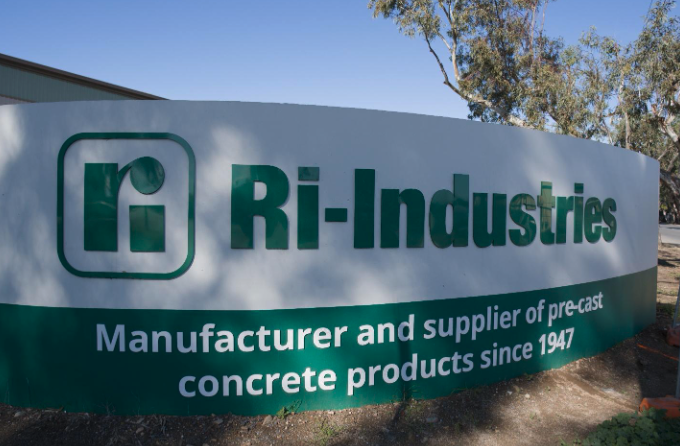
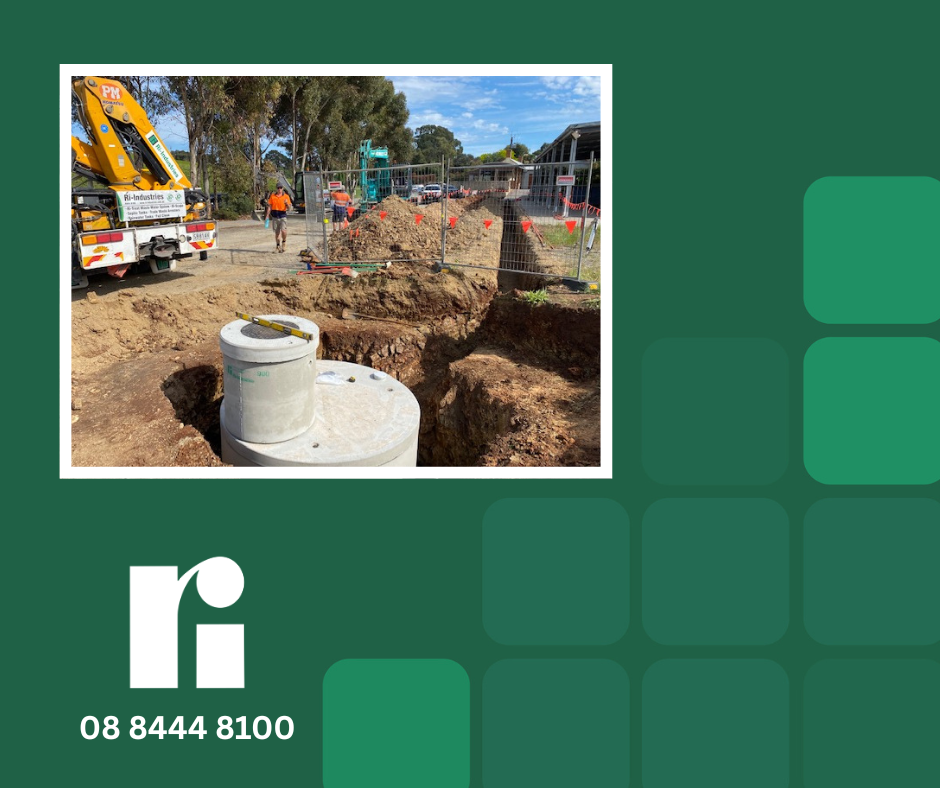
Image shows Ri-Industries Factory

Australian manufacturing matters now more than ever. In an increasingly uncertain global economy, the ability to produce essential materials and infrastructure locally has become a critical advantage for businesses, communities, and governments across the country.

Over the past several years, supply chain disruptions, international shipping delays, and rising global costs have highlighted just how important domestic manufacturing capacity really is. When products must be imported from overseas, delays and shortages can quickly impact construction timelines, infrastructure projects, and business operations.

Local manufacturing helps reduce these risks while supporting Australia’s economic strength and long-term resilience.

Stronger Supply Chains Start at Home

One of the biggest advantages of Australian manufacturing is supply chain reliability.

When essential products are manufactured locally, businesses and contractors can rely on shorter delivery times and greater consistency. Local production also provides greater transparency and communication throughout the process, helping projects stay on schedule and within budget.

In industries such as construction, civil infrastructure, and water management, having dependable access to locally produced materials is especially important. Delays in critical infrastructure components can quickly stall projects and create costly disruptions.

By manufacturing in Australia, companies help ensure that essential materials remain accessible when they are needed most.

Supporting Skilled Jobs and Industry Growth

Australian manufacturing is also a major driver of employment and industry expertise. Manufacturing facilities require skilled workers, engineers, technicians, and production specialists who contribute to the country’s growing knowledge base and industrial capabilities.

These skilled roles support not only the manufacturing sector itself but also the broader economy through related industries such as logistics, construction, and engineering.

By investing in local manufacturing, businesses help strengthen Australia’s workforce and maintain the technical expertise needed to support complex infrastructure projects for decades to come.

Higher Standards and Quality Control

Australia is known for its strong regulatory standards, and local manufacturing helps ensure that products meet strict quality and safety requirements.

When products are manufactured domestically, companies can maintain greater oversight of materials, production processes, and engineering standards. This level of quality control helps ensure that infrastructure components are built to perform reliably over long periods of time.

For industries that depend on durable, long-lasting materials, such as water storage systems, civil infrastructure, and underground installations, quality manufacturing plays a critical role in long-term performance.

Manufacturing for Infrastructure and Water Security

Local manufacturing is particularly important when it comes to infrastructure that supports communities. Products such as stormwater systems, underground tanks, and civil infrastructure components are essential to water management, urban development, and environmental resilience.

Companies like Ri-Industries, based in South Australia, contribute to this effort by manufacturing high-quality precast concrete infrastructure designed for long-term durability. By producing these systems locally, they help support infrastructure projects that manage water resources, protect communities, and support sustainable development.

Local manufacturing ensures these essential systems are available when communities need them most.

Building a More Resilient Future

As Australia continues to grow and develop, maintaining strong domestic manufacturing capabilities will remain essential. Local production supports reliable supply chains, strengthens the workforce, and ensures that critical infrastructure can be delivered efficiently.

For industries involved in construction, water management, and infrastructure development, Australian manufacturing provides both stability and long-term value.

In a rapidly changing world, investing in local manufacturing is not just about producing goods, it’s about building stronger communities and a more resilient future for Australia.

Supporting Local Manufacturing

As Australia continues to invest in infrastructure, water security, and urban development, supporting local manufacturing becomes increasingly important. Choosing Australian-made products helps strengthen supply chains, supports skilled jobs, and ensures that infrastructure is built to meet the highest standards.

At Ri-Industries, we are proud to manufacture high-quality precast concrete infrastructure in South Australia, helping support projects that require durable, engineered solutions designed to last.

To learn more about Ri-Industries and our locally manufactured infrastructure solutions, contact our team or explore our products today.

March – Pre-Cast Concrete Infrastructure Planning: Why Autumn Is the Smart Time to Prepare for Winter

by Ri Industries

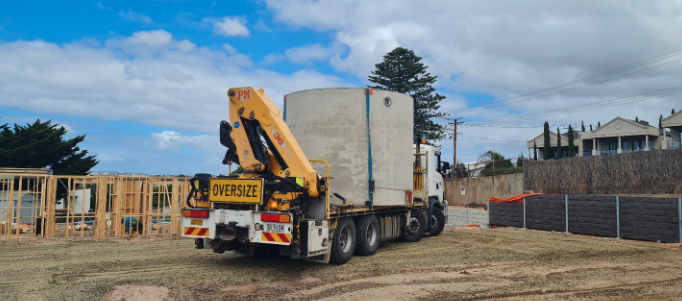
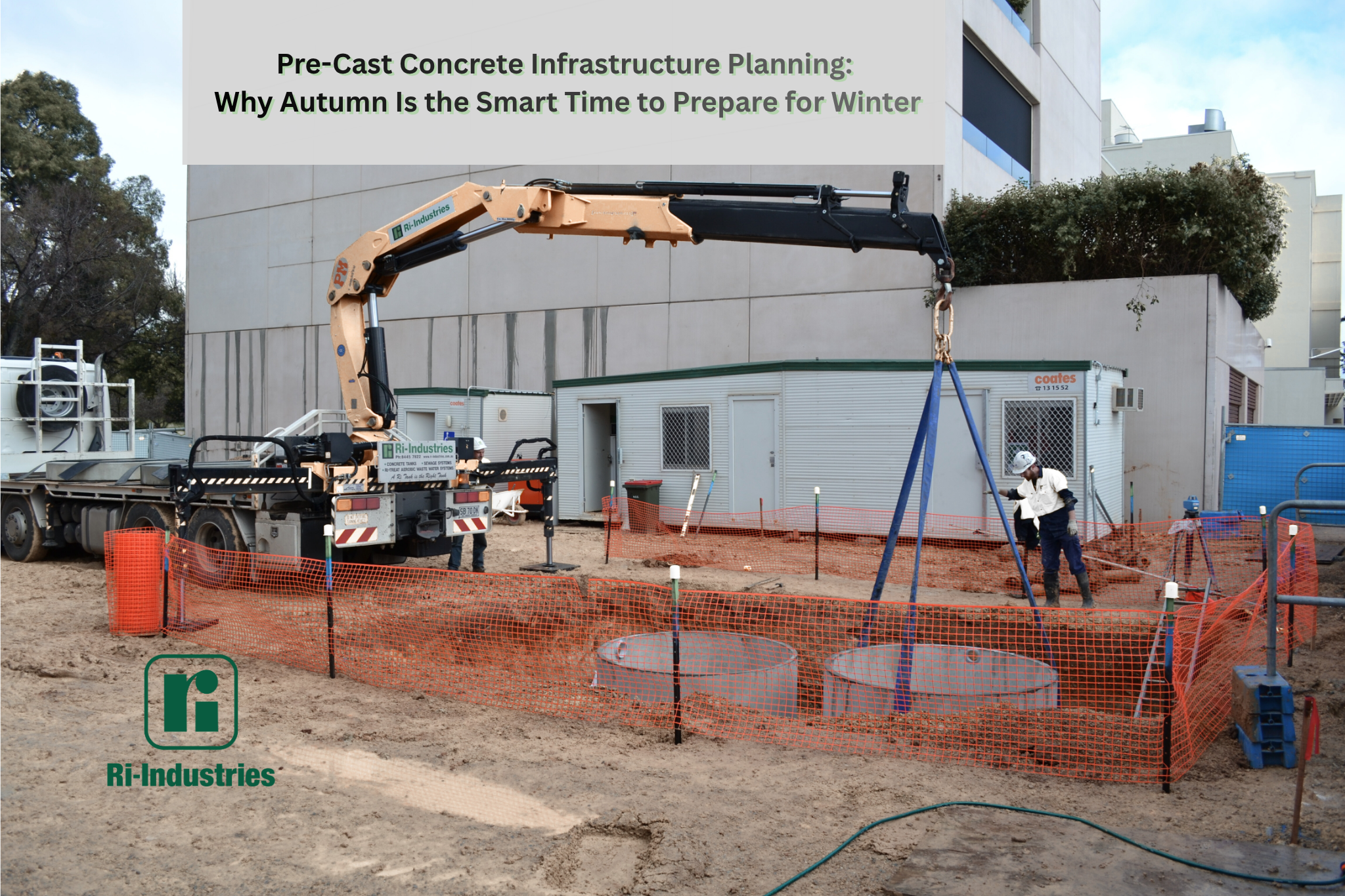
Image shows Ri-Industries concrete products being installed at a commercial site.

Pre-cast concrete infrastructure planning in autumn gives commercial and civil projects the best chance to stay ahead of winter weather, heavier rainfall, and unexpected system failures.

March marks a turning point across South Australia. The heat begins to ease and attention shifts from reacting to summer extremes to planning for what winter will bring.

For councils, developers, and commercial sites, autumn is the window where smart infrastructure decisions can prevent cold-weather disruptions later.

Autumn Is When Gaps Become Visible; Not When You Want to Discover Them

By March, infrastructure has already endured months of heat and storm stress. Small issues that survived summer often become obvious during seasonal transitions:

  • Drainage systems that struggled during storms

  • Covers, grates, or frames showing early wear

  • Trade waste systems operating under inconsistent flow conditions

Autumn is the ideal time to identify and address these gaps before winter rain magnifies them.

Why Waiting Until Winter Costs More

Winter exposes weaknesses quickly and usually at the worst possible time.

Emergency repairs during wet conditions can mean:

  • Site access delays

  • Increased labour and call-out costs

  • Temporary fixes instead of long-term solutions

By contrast, autumn installations and upgrades allow projects to:

  • Work in more predictable conditions

  • Schedule upgrades without urgency

  • Choose properly engineered solutions rather than rushed replacements

Pre-Cast Concrete Solutions Support Smarter Project Timing

Pre-cast concrete infrastructure is well suited to autumn planning because it offers:

  • Consistent quality and predictable performance

  • Faster installation compared to on-site pours

  • Flexibility for custom designs and site-specific requirements

Whether it’s stormwater sumps, inspection openings, trade waste arrestors, or custom civil components, autumn is when these systems can be installed or upgraded properly, not reactively.

Planning Now Means Fewer Disruptions Later

The goal of good infrastructure isn’t visibility, it’s reliability.

When systems are reviewed and upgraded in autumn:

  • Stormwater performs as expected through winter rain

  • Commercial sites avoid compliance issues

  • Civil projects stay on schedule instead of responding to failures

That kind of foresight saves time, money, and stress when winter conditions arrive.

Autumn Sets the Foundation for the Year Ahead

Infrastructure decisions made in March don’t just affect winter, they shape performance for the rest of the year.

By prioritising well-engineered pre-cast concrete infrastructure during the autumn planning window, commercial and civil projects can put durable systems in place that are ready for whatever the seasons bring next.

If you’re reviewing infrastructure ahead of winter, Ri-Industries can help deliver pre-cast concrete solutions built for reliability, compliance, and long-term performance.

Pre-Cast Concrete Infrastructure Built for Heat and Storms

by Ri Industries

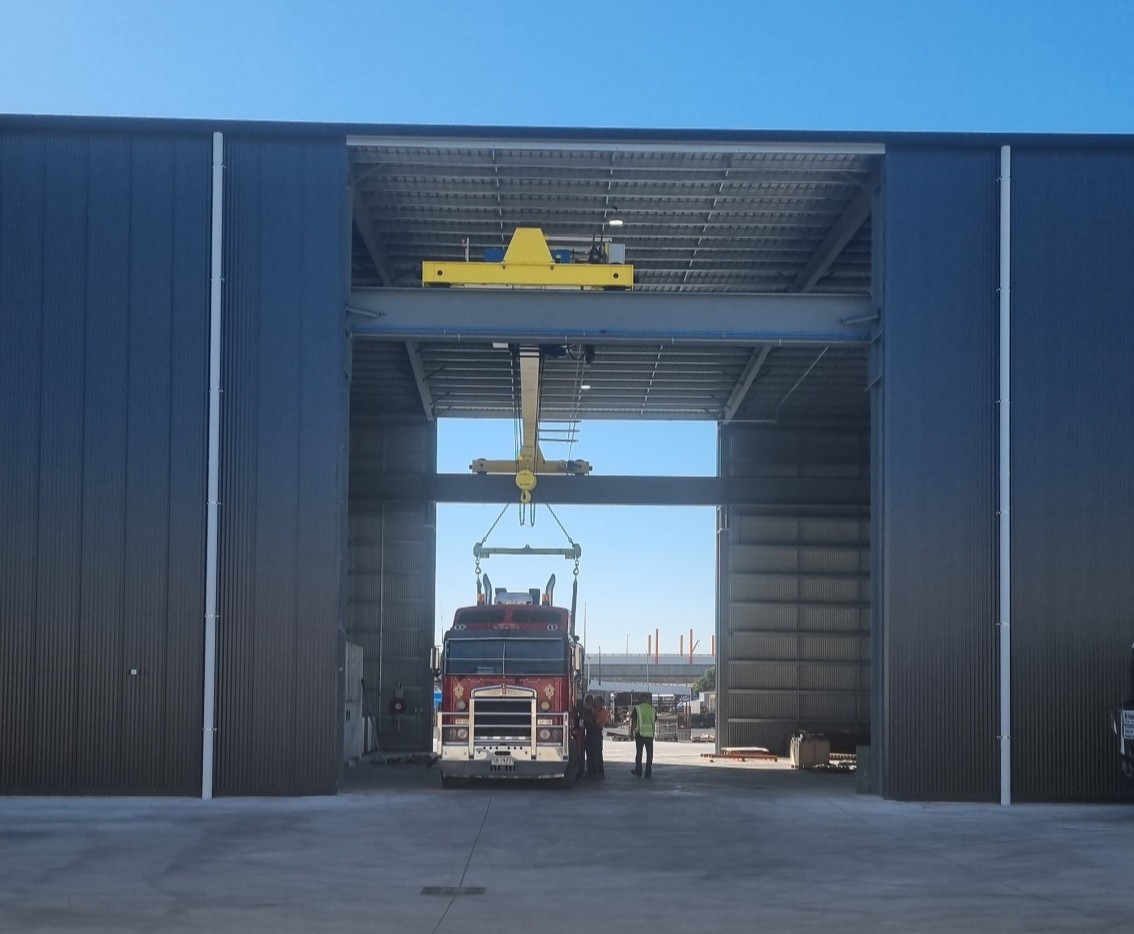
Images of Ri-Industries pre-cast concrete products

Pre-cast concrete infrastructure plays a critical role in helping commercial and civil projects withstand extreme heat and sudden storm events during South Australia’s late summer. A change in weather is when stormwater systems get tested, surfaces expand and contract and components that looked fine on paper start to fail in the real world.

That’s exactly where well-engineered pre-cast concrete infrastructure proves its value.

Heat Isn’t Just Uncomfortable, It’s Structural

Extended high temperatures don’t just affect people. They affect materials.

Lighter or poorly manufactured components can:

  • Warp or crack under sustained heat
  • Lose integrity at connection points
  • Shift or settle when ground conditions change

High-quality pre-cast concrete, when properly reinforced and vibrated during manufacture, is designed to withstand thermal stress without compromising performance. It maintains shape, strength, and load-bearing capacity even during prolonged heat events.

That stability matters long before the first storm arrives.

Sudden Storms Reveal Weak Infrastructure Fast

Late summer storms in SA are rarely gentle. They arrive quickly, dump heavy rainfall, and move on leaving drainage systems to cope with the aftermath.

This is where infrastructure either:

  • Performs as intended, or
  • Exposes design shortcuts

Well-designed stormwater sumps, grates, frames, and inspection openings play a critical role in:

  • Managing rapid water inflow
  • Preventing surface flooding
  • Protecting surrounding structures and pavements

Pre-cast systems offer predictable performance under pressure which is something that’s hard to achieve with inconsistent or on-site poured alternatives.

Manufacturing Quality Matters More Than Most People Realise

Not all concrete products are created equal.

The way a pre-cast component is manufactured directly affects how it handles heat, water, and long-term wear. High-frequency vibration during production:

  • Removes air voids
  • Improves density and strength
  • Enhances durability in harsh conditions

Reinforcement placement, curing time, and attention to detail all add up to infrastructure that doesn’t just meet specifications, it keeps performing when conditions turn hostile.

Trade Waste & Commercial Systems Under Summer Stress

Late summer is also when commercial systems face peak demand.

Trade waste arrestors and inspection points must handle:

  • Increased usage
  • Higher temperatures
  • Variable flow conditions

When these systems aren’t engineered properly, blockages, odours, and compliance issues can surface fast. Pre-cast solutions built specifically for commercial use offer reliability when businesses can’t afford downtime.

The Real Advantage: Reliability You Don’t Have to Think About

The best infrastructure is often invisible, not because it’s underground, but because it simply works.

In late summer, when heat and storms push systems to their limits, durable pre-cast concrete solutions quietly do their job:

  • Managing water
  • Protecting assets
  • Reducing emergency maintenance
  • Supporting growing communities

That’s the difference between infrastructure that reacts to conditions and infrastructure that’s built for them. Are you ready to learn more about Ri-Industries products? Call us! 84444 8100

Why Underground Water Storage Is Becoming Essential for Commercial Sites in 2026

by Ri Industries

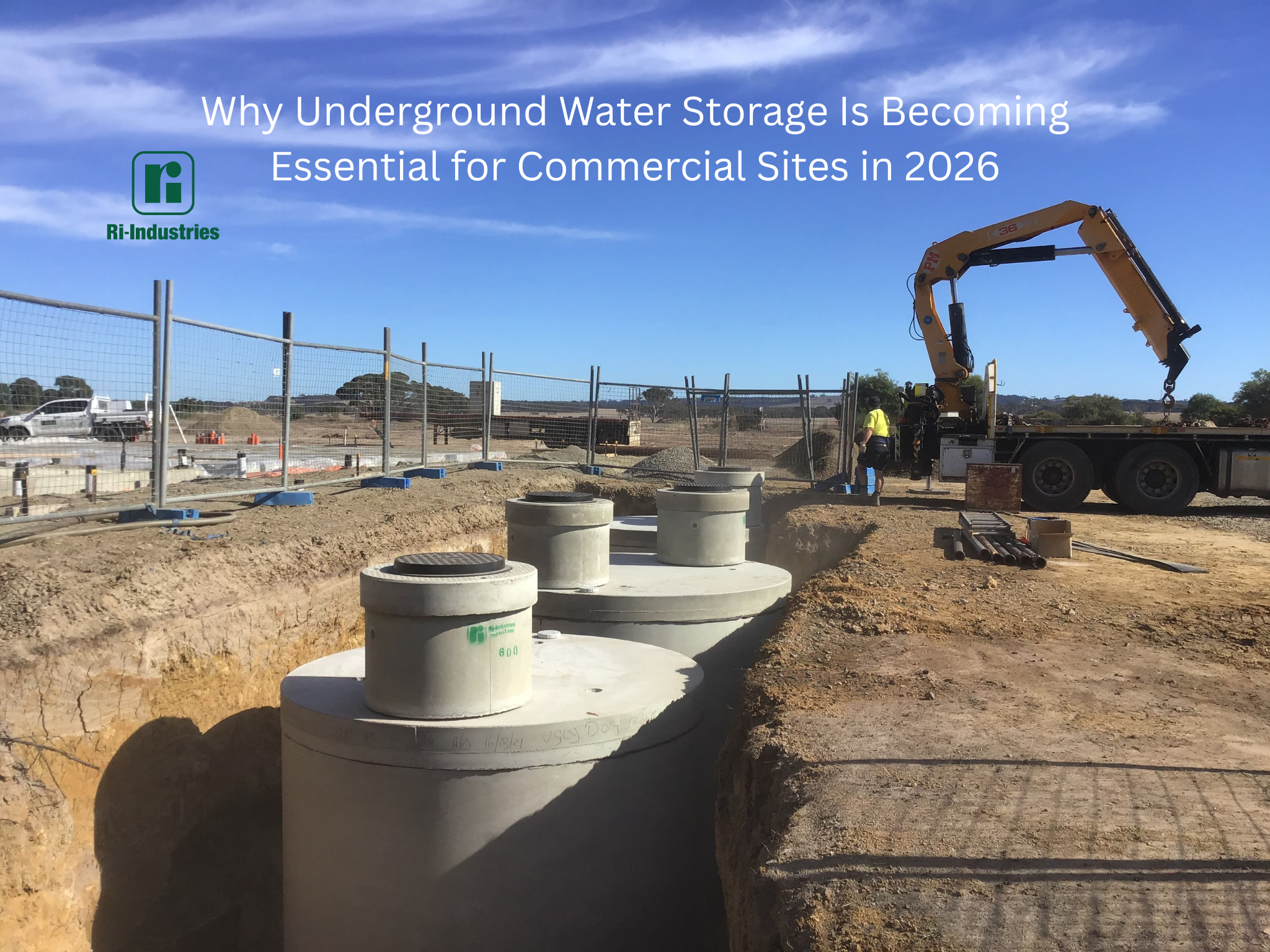
Image shows Ri-Industries underground water storage tanks being installed

As South Australia continues to grow, commercial developers and business owners are facing new pressures around sustainability, water security, and efficient land use. In 2026, underground water storage is no longer a “nice to have” feature, it’s becoming an essential part of responsible commercial site planning.

Here’s why businesses across the state are investing in underground concrete water tanks now more than ever.

1. Rising Demand for Water Security

Drier summers, changing rainfall patterns, and increased strain on mains water mean commercial sites need reliable, on-site reserves.

Underground tanks offer:

  • Consistent water availability

  • Protection from heat and evaporation

  • A dependable backup for irrigation, amenities, and operational needs

For industries that can’t afford downtime, controlled water access is critical.

2. Meeting Sustainability and Council Expectations

Environmental responsibility is shaping nearly every commercial project. Councils and governing bodies are increasingly encouraging, and in some cases requiring water capture and reuse systems.


Underground storage helps sites:

  • Reduce reliance on mains water

  • Improve stormwater management

  • Meet sustainability benchmarks

  • Support green building certifications

It’s a long-term investment with immediate compliance benefits.

3. Better Land Use for High-Value Sites

Commercial land is expensive. Every square metre matters.  Underground tanks maximise usable space by keeping water storage out of sight and out of the way, allowing businesses to prioritise:

  • Carparks

  • Delivery bays

  • Landscaping

  • Buildings and extensions

  • Pedestrian areas

With no large above-ground structures, sites stay functional, clean, and flexible for future expansion.

4. Superior Durability and Low Maintenance

Above-ground tanks are exposed to weather, UV damage, vandalism, and accidental impact. Underground concrete tanks aren’t.

Ri-Industries tanks are built using:

  • High-frequency vibrated reinforced concrete

  • Steel mesh reinforcement

  • Brass fittings

  • Fully engineered designs with decades-long performance

They’re fire-resistant, vandal-proof, and naturally insulated, providing cooler, cleaner water with minimal upkeep which is ideal for commercial environments.

5. Ideal for Industrial, Civil, and High-Traffic Applications

Commercial sites demand resilience. Heavy vehicles, machinery, and constant foot traffic require infrastructure that can handle pressure and weight.

Ri-Industries underground tanks are specifically engineered for these conditions, making them suitable for:

  • Shopping centres

  • Business parks

  • Schools and universities

  • Industrial plants

  • Government sites

  • Agriculture and processing facilities

  • Mining and construction sites

Whatever the setting, underground storage ensures reliable performance beneath the surface.

6. A Smarter Long-Term Investment

While concrete underground tanks require upfront installation planning, they pay off in long-term value through:

  • Reduced maintenance

  • Extended lifespan

  • Fewer replacement costs

  • Increased property value

  • Operational reliability

For businesses looking to future-proof their operations, underground water storage is a cost-effective move they can make in 2026.

If you’re preparing for a new project or upgrading existing infrastructure, our team can help you choose the right tank and configuration for your needs.

Why Summer Is the Time to Upgrade Your Water Storage

by Ri Industries

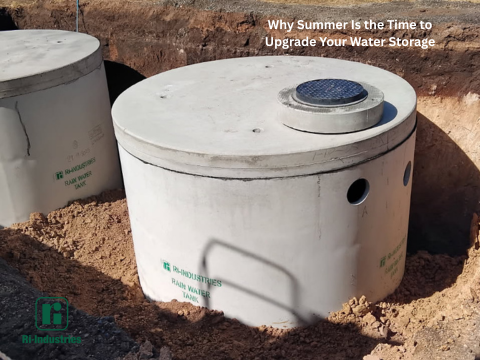
Image show Ri-Industries concrete rainwater tanks being installed underground

As summer approaches, homeowners across South Australia are getting ready for higher temperatures, drier conditions, and increased water use. Whether you’re maintaining your garden, preparing for fire season, or simply trying to reduce your reliance on mains water, the right water storage system can make all the difference.

For many families, an underground concrete rainwater tank is becoming the smart, long-term home upgrade especially as we head into another hot South Australian summer.

Here’s why now is the ideal time to plan ahead.

  1. Hot Weather Means Higher Water Use

Gardens, lawns, pets, cooling systems, and everyday household needs all place extra demand on your water supply during summer.

An underground tank helps you:

  • Capture and store more rainwater
  • Keep gardens greener for longer
  • Reduce your reliance on mains water during peak-use periods
  • Have more control over your home’s water supply

A little planning now saves stress and costs when the heat hits.

  1. Underground Tanks Keep Water Cooler and Cleaner

Above-ground tanks heat up quickly in summer, encouraging algae, odours, and aftertaste. Underground concrete tanks naturally stay cool and dark, which helps:

  • Prevent algae growth
  • Maintain fresh, clean-tasting water
  • Reduce evaporation losses
  • Keep your water supply protected from extreme temperatures

It’s one of the biggest advantages for homeowners who want a stable, low-maintenance solution.

  1. A Smarter Option for Bushfire Preparation

South Australia’s fire season is unpredictable, but your home’s readiness shouldn’t be.

An underground tank provides:

  • A secure, protected water supply in case of emergency
  • A fire-resistant and vandal-proof structure
  • Reliable reserves that won’t evaporate or heat up

For rural and semi-rural homeowners especially, it’s an important layer of protection.

  1. Maximise Your Outdoor Space

Unlike bulky above-ground tanks, underground storage keeps your outdoor areas open and usable.

You gain:

  • More space for landscaping
  • Cleaner visual appeal
  • Room for future upgrades
  • Flexibility for new structures or entertainment areas

It’s a practical choice for growing families or anyone planning to update their outdoor areas.

  1. A Long-Term Home Upgrade With Lasting Value

Ri-Industries tanks are built locally right here in South Australia using:

  • High-frequency vibrated reinforced concrete
  • Steel mesh
  • Brass fittings
  • Fully engineered designs built to last

Once installed, they require minimal maintenance and deliver decades of reliable performance making them a true set-and-forget investment for your home.

With summer fast approaching, now is the perfect time to upgrade your residential water storage. Whether you’re looking to protect your family during hot weather, boost your garden, or prepare for emergencies, a Ri-Industries underground concrete tank gives you security and peace of mind.

If you’d like help choosing the right tank for your home, our team is here to guide you.

Cast iron covers: cast in or loose?

by Ri Industries

One of the most common questions our sales team receives is: What’s the difference between cast iron covers that are “cast in” and those that are “supplied loose”? Here’s a simple explanation – and how to choose the right option for the installation of your grease arrester, rainwater tank or vertical septic tank.

What does “cast in” mean?

“Cast in” means the cast iron cover is set directly into the concrete lid or ring of your tank during manufacture. This approach is most common when the tank is located in a garden bed, gravel area, or other landscaped space.

The main benefits are:

  • Security: The cover is fixed in place and can’t be moved by people or vehicles.
  • Durability: It’s better protected from impacts.
  • Neat finish: Once landscaping is complete, only the cast iron is visible for a clean, professional look.

Example:
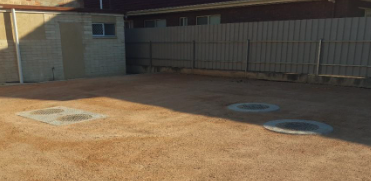
The photo below shows cast iron covers cast into concrete rings for a tank installed in a garden bed. Once landscaping is complete, the result is stable, durable, and visually seamless.

image shows cast iron covers installed

In this next example, you can see a completed landscaped or lay-down area with the cast iron covers cast in, creating a neat, clean finish that vehicles cannot move or dislodge.

image shows cast iron covers flush to the ground

What does “supplied loose” mean?

“Supplied loose” means the cast iron cover is provided separately and placed on top of the tank lid during or after installation – not fixed in place. This is usually preferred when the final surface will be concrete, bitumen, or paving.

The main benefits are:

  • Flexibility: You can adjust the cover’s position to match the final surface level or slope.
  • Better integration: Concrete or bitumen can be poured right up to the edge of the cover, so the tank lid isn’t exposed.
  • Easy access: Covers can be removed if needed for maintenance.

Example:
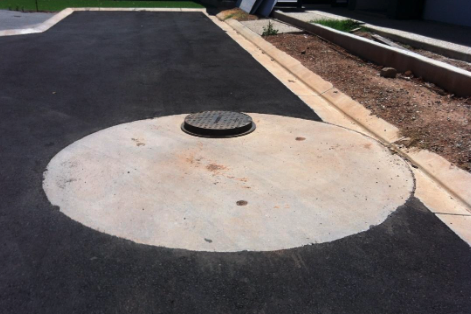
Here, a loose-supplied cast iron grate that sits on a rainwater tank before a driveway is poured. Because it’s loose, the installer can easily raise or tilt the grate to match the gradient and ensure stormwater flows directly into the tank.

image shows a loose-supplied cast iron grate sits on a rainwater tank before a driveway is poured.

Common mistakes to avoid

Getting the levels wrong during installation can create issues later.

Example:

The example below shows a loose cover sitting too high after the bitumen was laid – a costly and difficult mistake to fix.

imageshows a loose cover sitting too high after the bitumen was laid

Example:

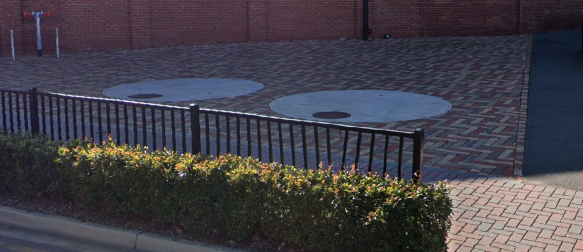
Similarly, while cast-in covers can look tidy next to paving like the example below, the finish is cleaner if the pavers extend over the tank lid and only the cast iron is exposed.

image shows cast-in coverswith pavers around them

Our advice

After many years of supplying our products, we’ve found that cast iron covers are most often supplied loose, but the right choice ultimately depends on where the tank is installed and the type of surface finish around it. If the tank will be located in a garden bed or gravel area, casting the covers into the concrete lids or rings is usually best, as it prevents them from being moved by people or vehicles. However, if the finished surface will be bitumen, paving, or concrete, supplying the covers loose allows you to pour right up to the edge, avoid exposing the tank lid, and easily adjust the level – even raising or tilting the cover with risers or bricks if needed – to suit the final surface.

Whichever option you choose, it won’t affect how your septic tank, rainwater tank, or grease arrester functions. It’s purely about achieving the most practical, secure, and visually neat finish.

If you’re unsure which option is right for your project, contact our sales team on 8444 8100 to help you choose the best solution when you place your order.


Why Underground Rainwater Tanks Are the Smarter Choice for South Australian Homes

by Ri Industries

Image shows a Ri-Industries concrete underground rainwater tank being installed

In South Australia, water security isn’t just a consideration, it’s a way of life. As our climate continues to present both extremes of drought and sudden downpours, homeowners are increasingly seeking solutions that not only meet today’s needs but also stand the test of time.

At Ri-Industries, we’ve seen firsthand how the right infrastructure can transform how families think about water. For decades, above-ground tanks were the norm. But more and more, the future points underground. Here’s why.

1. Cooler, Cleaner, Safer Water

Water stored underground remains naturally cooler and shielded from sunlight. This means no algae growth, no unpleasant aftertaste, and no need for constant chemical treatment. For families relying on rainwater as their main source, purity is non-negotiable and underground storage delivers it consistently.

2. Built for Resilience

South Australians know that our environment can be harsh. Underground tanks are protected from vandalism, fire, and accidental damage; issues that often plague above-ground systems. Ri-Industries tanks, reinforced with steel mesh and crafted from high-frequency vibrated concrete, provide a level of durability that isn’t just practical, it’s peace of mind.

3. Smarter Use of Space

Land is valuable. Why give up precious outdoor living or garden areas to bulky tanks? By placing tanks underground, homeowners gain back space for entertaining, landscaping, or play areas without sacrificing water security.

4. Designed for the Long Term and for the Environment

Every Ri-Industries tank is fully engineered, locally manufactured, and customised with inlets and outlets to suit the specific needs of each property. It’s not about a short-term fix; it’s about building infrastructure that will support households for generations.

And the impact goes beyond convenience. By harvesting rainwater, homeowners reduce reliance on mains water, lower their environmental footprint, and contribute to a more sustainable community. In a state where water is one of our most precious resources, choosing underground tanks is a step toward living responsibly as well as securely.

The Smarter Way Forward

Choosing underground rainwater tanks isn’t simply a matter of convenience, it’s a strategic decision. It’s about resilience, sustainability, and the confidence of knowing that your water supply is protected in every season.

At Ri-Industries, we believe the homes of tomorrow require infrastructure that’s smarter, stronger, and more sustainable. And when it comes to water storage in South Australia, the smarter choice is clear: underground.

Ready to Secure Your Water Future?

If you’re considering rainwater storage for your home or business, we can provide expert advice tailored to your property and needs. Contact Ri-Industries to discuss how an underground rainwater tank can give you lasting security, smarter use of space, and a more sustainable way of living.

Why South Australian Conditions Demand a Stronger Septic Tank

by Ri Industries

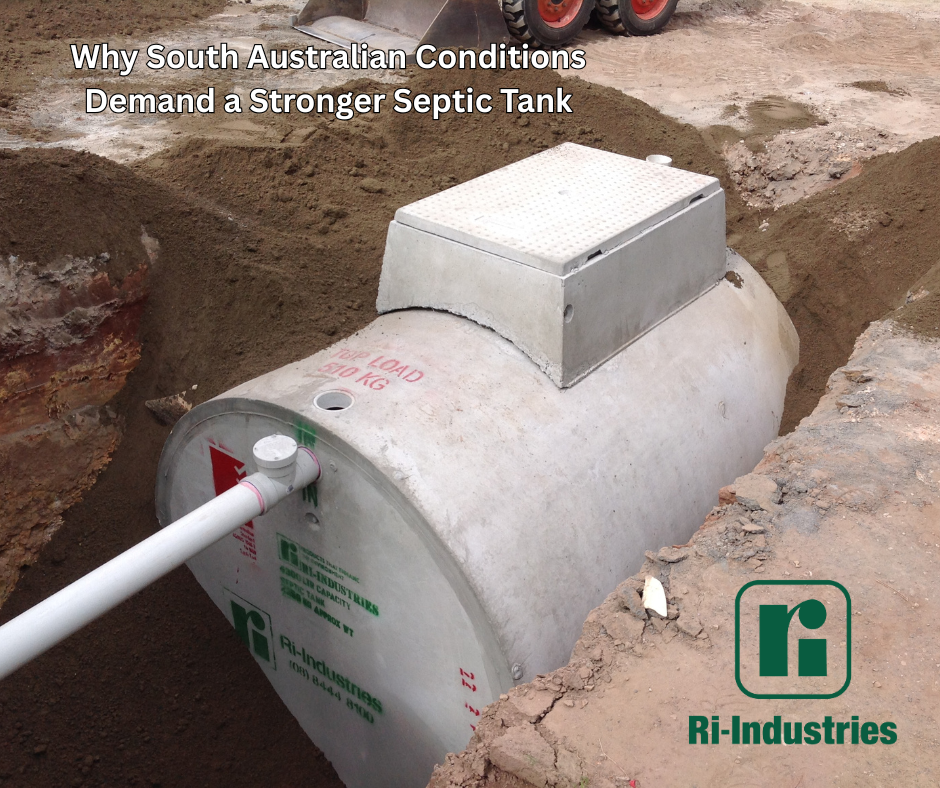
image shows a Ri-Industries concrete septic tank being installed underground

South Australian conditions demand special considerations. If you’re building or upgrading a property in South Australia, there’s one part of your infrastructure you can’t afford to overlook: the septic system.

What many homeowners and developers don’t realise is that not all septic tanks are built for the same environment. South Australia’s unique soil types, climate extremes, and bushfire risks require something more than a basic, one-size-fits-all solution. That’s where Ri-Industries’ concrete septic tanks shine.

Here’s why strength, stability, and smart design matter more than ever in our part of the world.

1. Hot, Dry Summers Can Compromise Lightweight Tanks

South Australian summers can be very hot and dry. Plastic tanks – though lightweight and inexpensive – can become brittle, warp, or degrade when exposed to long-term heat stress. In contrast, concrete tanks retain their strength and integrity, even in extreme temperatures.

Concrete doesn’t bend, soften, or break down in the heat, making it a far more reliable long-term investment for homes in hot, dry climates like ours.

2. High Water Tables Can Cause Tanks to Float

In certain parts of SA – especially after heavy rain or flooding – rising water tables can literally push lighter tanks to the surface. This is a major issue with plastic tanks, which can float even when full.

Concrete septic tanks from Ri-Industries are too heavy and well-anchored to budge, providing peace of mind no matter what the weather brings.

3. Shifting Soil Needs a Tank That Won’t Crack

Expansive clay soils, sandy ground, or reactive soils are common throughout South Australia. These types of soil expand, contract, or shift significantly with moisture levels, putting added stress on any underground structure.

Concrete tanks are built with reinforced steel mesh and high-frequency vibration during casting, giving them the structural strength to handle soil movement without cracking or failing.

4. Bushfire Resistance is a Must-Have

In bushfire-prone regions, plastic tanks are a serious vulnerability – they can melt or catch fire in extreme heat. Concrete, on the other hand, is fireproof. A buried concrete septic tank is naturally insulated and won’t contribute to fire hazards on your property.

It’s an added layer of protection for your home – and your peace of mind.

5. Custom-Engineered for South Australian Sites

Every site is different. That’s why all Ri-Industries septic tanks are manufactured in South Australia, and we offer customised inlet and outlet placements to suit your layout. You won’t need to compromise on performance or design – we tailor the tank to your needs.

Plus, our tanks are fully engineered and backed by a manufacturer’s warranty, giving you confidence from the ground up.

Don’t Settle for Less Than What South Australia Demands

Your septic system is an essential part of your home’s infrastructure – and it needs to be built for the environment it’s in. Concrete tanks from Ri-Industries are stronger, longer-lasting, and better equipped to handle the unique demands of South Australia.

Call our team on (08) 8444 8100 or request a quote online to find out more about our locally made, engineered-to-last septic tanks.

Underground Concrete Rainwater Tanks – 5 Surprising Benefits

by Ri Industries

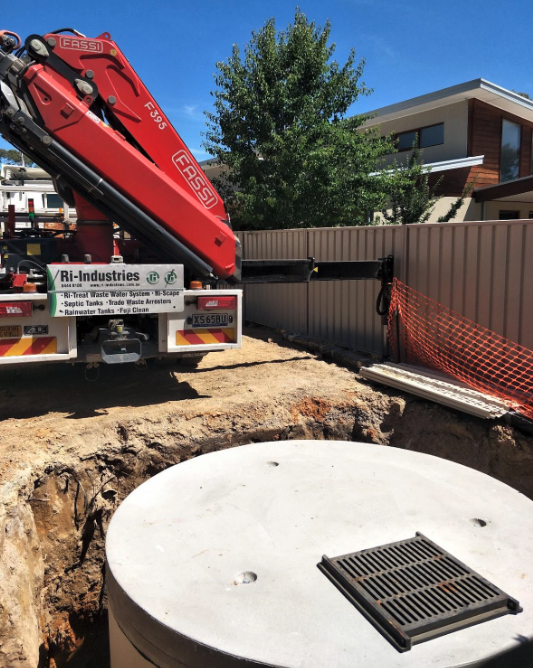
image shows aa picture of a truck delivering a concrete Ri-Industires rainwater tank to a construction site.

Underground concrete rainwater tanks offer many benefits. When most people think of rainwater tanks, they picture a large, above-ground structure taking up valuable space in the yard. But at Ri-Industries, we do things differently. Our underground concrete rainwater tanks, manufactured right here in South Australia, are designed to give you high performance, long-term durability—and a whole lot more than you might expect.

If you’ve been considering rainwater harvesting, here are five surprising reasons why going underground with a concrete tank is the smarter, more sustainable choice.

1. Cooler Water Year-Round

Unlike above-ground plastic tanks, our underground tanks stay well insulated below the surface. That means cooler water – even at the peak of summer. Cooler water is not only more pleasant to use but also discourages bacterial growth, making your stored water cleaner and safer for household or garden use.

2. No Algae, No After-Taste

Algae thrive in sunlight – and above-ground tanks often struggle with it. Underground concrete tanks are naturally shielded from light, virtually eliminating the risk of algae growth. Plus, with no plastic lining, your water won’t pick up that unpleasant “tank taste.” Just clean, fresh rainwater – exactly as nature intended.

3. Out of Sight, Not Out of Mind

Don’t want a tank dominating your outdoor space? We get it. Installing your tank underground keeps your landscape neat and uncluttered. Whether you want to preserve your garden design or maximise usable space, our tanks stay completely out of sight while doing the hard work below.

4. Vandal- and Fire-Proof

Concrete is tough – really tough. Unlike plastic tanks, concrete won’t melt, warp, or catch fire. And being underground also protects it from vandalism or weather damage. This level of durability makes concrete tanks ideal for both rural and suburban homes, especially in bushfire-prone areas.

5. Built to Last (and Built for You)

Every Ri-Industries tank is made from high-frequency vibrated reinforced concrete, cast with steel mesh and fitted with brass components for superior strength and longevity. And because we manufacture locally in Adelaide, we can custom-position inlets and outlets to meet your specific site needs.

Backed by full engineering approval and our manufacturer’s warranty, our tanks are designed to last the distance – giving you peace of mind for decades to come.

Ready to Future-Proof Your Water Supply?

Whether you’re building, renovating, or simply planning for a more sustainable future, an underground concrete rainwater tank is a smart, long-term investment.

Call us on (08) 8444 8100 or request a quote online to find out how a Ri-Industries tank can work for your property.

Let’s build something that lasts – starting beneath the surface.

Understanding the Environmental Impact of Precast Concrete

by Ri Industries

Image shows a Ri-Industries truck with a concrete tank on it for delivery

Concrete isn’t typically considered environmentally friendly, but the building industry is actively working to reduce its carbon footprint and resource use. In South Australia, more local building projects are adopting low-carbon materials and more sustainable construction practices using concrete.

Precast concrete is often seen as a more environmentally friendly alternative to traditional (in-situ) concrete. But what makes it a greener choice? Let’s explore how the construction industry is using precast concrete to support more sustainable outcomes and shape a greener future.

Lower Carbon Emissions
One of the most significant environmental advantages of precast concrete is its ability to reduce carbon emissions. Factory-based production allows for optimal energy usage and advanced curing techniques, which can cut the CO₂ footprint by up to 25% compared to traditional on-site concrete pouring. Additionally, by transporting finished components to the construction site – rather than raw materials for on-site mixing -precast concrete further reduces emissions related to transportation and on-site machinery use.

Reduced Material Waste
Precast concrete is manufactured in controlled factory environments, enabling precise measurements and efficient use of materials. This process can reduce material waste by up to 20% compared to on-site construction. Molds are reused, and any excess material can often be recycled directly back into production, supporting a circular economy and minimising landfill contributions.

Durability and Longevity
The durability of precast concrete means structures last longer and require less frequent repairs or replacements. This longevity translates to lower resource consumption and waste over the building’s lifecycle. Precast panels also provide superior protection for insulation and other building materials, further reducing maintenance needs and prolonging the life of the overall structure.

Energy Efficiency in Buildings
Precast concrete components can be designed with built-in insulation, improving a building’s energy efficiency and reducing ongoing heating and cooling costs. The high thermal mass of concrete helps regulate indoor temperatures, contributing to lower operational emissions over time.

Precast concrete stands out as a more sustainable building material thanks to its reduced carbon emissions, efficient use of resources, incorporation of recycled materials, and long-term durability. As the industry continues to innovate, precast concrete will play an increasingly important role in building a more sustainable future for construction. To learn how Ri-Industries can help you with your precast needs, please call 08 8444 8100.

Choosing the Right Toilet Paper for Septic Tanks

by Ri Industries

image shows rolls of toilet paper

Choosing the right toilet paper is more than just a comfort issue—it’s about maintaining the health of your septic tank. A septic system is a delicate ecosystem of bacteria that breaks down waste, and not all toilet papers are created equal when it comes to supporting this process. Using the wrong kind can lead to clogs, slow drainage, and expensive repairs. 

How Septic Systems Work

A septic system separates solids from wastewater, allowing bacteria to break down the waste in the tank. Water and treated waste are then filtered back into the soil. Since everything flushed into the system needs to decompose properly, toilet paper plays a crucial role in maintaining its balance. If the toilet paper doesn’t break down quickly enough, it can accumulate and cause blockages.

What Makes Toilet Paper Septic-Safe?

When selecting a toilet paper for a home with a septic system, the key qualities to look for are:

  • Biodegradability: Septic-safe toilet paper should break down quickly in water to avoid clogging pipes or filling up the tank.
  • Strength vs. Dissolvability: While strong toilet paper is convenient, it should still dissolve easily in water. The balance between softness and dissolvability is crucial.
  • Free from additives: Many scented or lotion-infused toilet papers contain chemicals that may disrupt the bacterial balance in the septic tank, making it harder for waste to break down properly.

Best Toilet Paper Brands for Septic Tanks in South Australia

There are many toilet paper types and brands suitable for septic tanks. Here is a selection:

  1. Quilton Toilet Paper
    • Quilton is a well-known and widely available brand in Australia. Quilton’s standard 3-ply toilet paper is soft and strong, but they also offer a 2-ply variety that’s better suited for septic tanks. The 2-ply option is designed to break down faster in water, which reduces the risk of clogging and allows for a smoother operation in septic systems. It’s a good middle ground between comfort and dissolvability.
  2. Sorbent Toilet Paper
    • Sorbent offers a hypoallergenic range of toilet paper that’s free from fragrances and dyes, making it a great option for those with septic systems. The 2-ply and 3-ply versions dissolve fairly well in water, but for the best results, the 2-ply is recommended. Its thinner sheets allow for quicker breakdown without sacrificing too much in the way of comfort.
  3. Who Gives A Crap Toilet Paper
    • Who Gives A Crap is a popular eco-friendly brand available in South Australia that uses 100% recycled materials. This makes it a great option for septic tanks as recycled toilet paper tends to break down more quickly. Additionally, their products contain no dyes, fragrances, or lotions, which helps maintain the balance of bacteria in septic systems. Bonus: this brand is committed to sustainability and donates 50% of its profits to build toilets in developing countries.
  4. Pure Planet Toilet Paper
    • Pure Planet is another eco-conscious brand that uses bamboo to create toilet paper. Bamboo fibers tend to dissolve quickly, making this a septic-safe choice. Like Who Gives A Crap, Pure Planet also avoids using chemicals or additives, so it won’t disrupt the natural bacteria in your tank.
  5. Coles and Woolworths 2-Ply
    • Coles and Woolworths offer their own brand of toilet paper that’s affordable and septic-friendly. For example, the “So Soft” 2-ply variety from Coles strikes a balance between comfort and biodegradability, making it a solid option for homes with septic tanks. Being supermarket brands, these are easily accessible across South Australia.

Toilet Paper to Avoid for Septic Tanks

While it’s tempting to go for plush, ultra-soft toilet paper, many of these varieties are not ideal for septic tanks. Heavily quilted, thick, or scented varieties take much longer to break down, which can lead to blockages. Avoid 3-ply and 4-ply options, or any brand marketed as “luxury” or “super soft,” as they typically take longer to dissolve. Popular brands that should be used sparingly (or avoided) in homes with septic systems include:

  • Kleenex Cottonelle: Known for its thick, quilted sheets, Cottonelle may be too dense to break down quickly in a septic tank, especially in multi-ply varieties.
  • Scented or Lotioned Varieties: Any brand offering scented or infused papers may contain chemicals that disrupt the septic system’s balance.

Tips for Maintaining a Healthy Septic System

  • Limit Paper Use: Even with septic-safe toilet paper, it’s a good idea to limit how much you flush at one time.
  • Flush only toilet paper: Never flush wipes (even if labelled flushable), paper towels, or other items down the toilet. These do not break down properly and can cause major blockages.
  • Regular Pumping: Ensure that your septic tank is pumped every 3-5 years to remove built-up sludge and prevent overflow.

Choosing the right toilet paper can make a significant difference in the longevity and efficiency of your septic system. By using toilet paper that’s designed to dissolve quickly and avoiding thick or chemical-laden varieties, you’ll help keep your septic system running smoothly for years to come.

Are you interested in learning about our concrete septic tanks? Give us a call on 08 8444 8100.

Why Rainwater Tanks Are a Smart Investment in South Australia

by Ri Industries

image of concrete rainwater tank on truck being delivered to site

Rainwater tanks are a smart investment in South Australia. According to abc.net.au, South Australia had the eighth driest April in 2024 since record keeping began. With water scarcity being a persistent challenge in the region, especially in rural areas, residents are increasingly looking for ways to conserve water and manage it more efficiently. One of the best investments for homeowners and businesses in South Australia is installing a rainwater tank. These tanks not only help secure water supply during dry periods but also offer financial, environmental, and lifestyle benefits.

Here’s why investing in a rainwater tank is a wise decision for South Australians.

1. Water Conservation in a Drought-Prone Region

South Australia frequently faces periods of low rainfall, making rainwater collection an important resource. By capturing and storing rainwater, homeowners can reduce their reliance on mains water supplies. Rainwater can be used for various purposes, including:

  • Gardening: During times of low rainfall, many households have to cut back on watering gardens and lawns. A rainwater tank allows you to keep your plants healthy and vibrant without worrying about fines or penalties.
  • Toilet flushing and laundry: Installing a tank with a pump system allows you to use rainwater for everyday household chores, further reducing your dependency on potable water.
  • Drinking water: With proper filtration, rainwater can be used as a safe and sustainable drinking water source.

Given South Australia’s limited rainfall, having a rainwater tank helps ensure that your household remains water-secure during dry spells or when water restrictions are enforced.

2. Cost Savings on Water Bills

One of the most compelling reasons to invest in a rainwater tank is the potential for significant cost savings. By using rainwater for non-potable purposes (like flushing toilets, washing clothes, and irrigating gardens), you can reduce your reliance on mains water and cut down on your water bills.

In areas with high water costs, such as Adelaide, even moderate use of rainwater can lead to noticeable savings over time. Additionally, by relying less on mains water, households are protected against future price increases or supply disruptions.

3. Environmental Benefits

Investing in a rainwater tank is an environmentally responsible choice. By capturing rainwater, you’re reducing the demand for treated mains water, which takes energy and resources to pump, purify, and transport. Using rainwater helps:

  • Reduce stormwater runoff: In urban areas, heavy rains often lead to water running off roofs and streets, picking up pollutants before entering storm drains and eventually the ocean. By capturing rainwater in a tank, you can help reduce stormwater runoff, protecting local waterways and reducing the burden on stormwater infrastructure.
  • Decrease energy consumption: Treating and distributing mains water requires significant energy. By reducing your demand for treated water, you contribute to lowering the energy footprint associated with water consumption.
  • Promote sustainable living: Using natural resources wisely, such as rainwater, aligns with eco-friendly practices and helps mitigate the effects of climate change.

4. Independence from Water Restrictions

South Australia is often referred to as the driest state in the driest country on the driest inhabited continent. The last imposed water restrictions were in 2020. By having a rainwater tank, you gain a level of independence from these restrictions. You can continue to maintain your garden, fill your pool, or water your property using stored rainwater without violating any water use regulations.

5. Government Rebates and Incentives

In recognition of the importance of water conservation, the South Australian government and local councils have offered incentives and rebates for installing rainwater tanks in the past.  Check with your local council if any are still available. These programs aim to reduce strain on public water systems and encourage the use of alternative water sources. While rebates can vary by location and specific conditions, they often help offset the initial installation cost, making rainwater tanks an even more attractive investment.

6. Increasing Property Value

A rainwater tank can also be a valuable addition when it comes to selling your property. Prospective buyers increasingly view water conservation systems as an attractive feature, particularly in water-scarce regions like South Australia. A rainwater tank shows that the property is designed with sustainability in mind, which can be a significant selling point. This is especially true if the tank is plumbed into the home for practical use, such as in toilets or for garden irrigation.

7. Versatility in Size

Ri-Industries rainwater tanks come in four sizes to suit your property’s needs. Whether you live in a compact urban home or a sprawling rural property, we have a rainwater tank solution for you.

8. Climate Change Resilience

Climate change is expected to bring more unpredictable weather patterns, including both increased rainfall intensity and longer dry periods. Investing in a rainwater tank now helps future-proof your home against these changes. By capturing water during heavy rainfalls, you can ensure you have a supply during times of drought, making your home more resilient to the effects of climate variability.

Rainwater tanks are a smart investment for South Australians looking to conserve water, reduce their bills, and become more self-sufficient. With environmental, financial, and practical benefits, rainwater harvesting offers a sustainable solution to the region’s water challenges. Whether you’re interested in reducing your water bills, maintaining a lush garden through summer, or simply doing your part to protect the environment, a rainwater tank is an excellent addition to any South Australian home or property.

Call us to learn how a Ri-Industries concrete water tank can benefit you! 08 8444 8100