
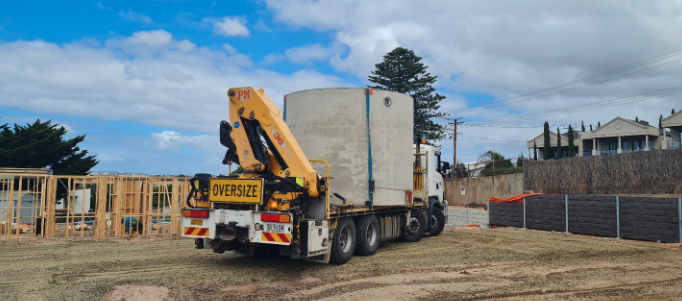
Whether you’re building a new home, developing a commercial site, or planning industrial infrastructure, selecting the right underground rainwater tank is an important decision. A tank that’s too small may struggle to meet demand during peak periods, while one that’s larger than necessary can add unnecessary cost to your project.
The good news is that choosing the right size doesn’t have to be complicated. It starts with understanding how the tank will be used and planning not just for today, but for the years ahead.
Start with the Tank’s Purpose
Before choosing a tank size, consider how you’ll be using the harvested rainwater.
Common uses include:
- Garden irrigation
- Toilet flushing
- Laundry
- Household water supply (where permitted)
- Commercial landscape irrigation
- Industrial washdown
- Livestock or agricultural use
The more uses you have for the stored rainwater, the greater your storage requirements are likely to be.
Estimate Your Water Demand
Understanding how much water will be stored or used is critical.
For residential rainwater systems, demand depends on factors such as:
- Number of occupants
- Garden irrigation requirements
- Toilet and laundry usage
- Local rainfall patterns
Commercial and industrial projects often require a more detailed assessment, taking into account:
- Daily demand for non-potable water
- Irrigation requirements
- Manufacturing or washdown uses
- Seasonal fluctuations
- Future expansion
Working with engineers or project consultants during the planning stage can help ensure storage capacity aligns with both current and future needs.
Think Beyond Today
One of the most common mistakes is sizing infrastructure only for immediate requirements.
Ask yourself:
- Will the site expand?
- Could occupancy increase?
- Will additional buildings be added?
- Could regulations change in the future?
Installing slightly larger infrastructure during initial construction is often more cost-effective than excavating and replacing an undersized tank years later.
Consider Site Constraints
Available space can influence tank selection just as much as water demand.
Important site factors include:
- Property size
- Excavation depth
- Groundwater levels
- Soil conditions
- Access for delivery and installation
- Existing underground services
An experienced plumber can help recommend tank dimensions that maximise storage while fitting comfortably within the available site.
Understand Local Requirements
Many councils and authorities have specific requirements relating to rainwater harvesting. These regulations may dictate:
- Minimum storage volumes
- Rainwater storage requirements
- Overflow provisions
- Installation standards
Ensuring compliance early in the planning process can prevent costly redesigns or project delays later.
Choose Quality Infrastructure
A concrete underground rainwater tank is a long-term investment. Once installed, it’s expected to perform reliably for decades.
Durable precast concrete tanks offer several advantages, including:
- Exceptional structural strength
- Resistance to ground movement
- Low maintenance requirements
- Proven performance in Australian conditions
Selecting quality infrastructure from the beginning helps minimise lifecycle costs and provides confidence that the system will continue performing as intended for many years.
Planning Today Saves Time Tomorrow
Choosing the right underground rainwater tank isn’t simply about selecting a size from a catalogue. It’s about understanding the needs of your project, allowing for future growth, and ensuring the infrastructure will perform reliably throughout its life.
Whether you’re planning a residential development, commercial facility, or major infrastructure project, investing time in selecting the right tank size today can help avoid unnecessary costs and complications in the future. Our experts at Ri-Industries will be happy to assist you.