Guidelines for Planting Your Garden Around a Septic Tank

by Ri Industries

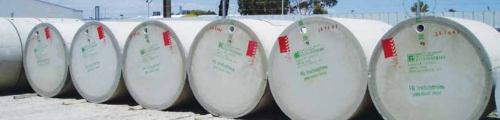
Your septic tank is made up of a main outlet, a holding tank and a drainage field. The tank receives wastewater from your home plumbing system where it collects for a certain length of time until it exits the outlet and empties into the drainage field. There are certain plants that will fare better on or around your drainage field. So, what plants are good or bad for your wastewater treatment system? Here are some helpful “do’s” and “don’ts” for planting a septic tank friendly garden:

DO stay shallow

While being “shallow” is not considered a positive personality trait, it is very important that you stay shallow when it comes to planting your garden over a Ri-Industries septic system. A septic tank is generally installed about 0.6 to 0.9 meters underground, meaning you do not want the root systems of your small plants or shrubs to extend below this depth. The best plants to use near drainage fields are flowers, grasses, and small groundcovers that will not grow deep enough to disrupt the pipeline of your septic tank.

DON’T plant trees too close to your septic system

While Ri-Industries septic tanks are made from 40 MPa concrete, and the engineer-designed tanks are built to withstand anything, contractors generally believe that no tree is safe to plant too close to a septic system. This is because the root system provides a tree’s primary way of absorbing water, and those roots will extend toward the most abundant source of water in your yard. This means that if a tree is planted too close to a septic system, its roots will grow in the direction of the wet drainage field around it. Trees with smaller, less complex root systems are less of a risk to plant near the septic system, but especially try to avoid planting gum trees, cypress trees, maples, or willow trees anywhere near your Ri-Industries septic tank.

DO use shrubs that don’t require a lot of water, or are drought tolerant

Hydrophilic (water friendly) plants will grow deep into the ground, searching for moisture. The root system of water-loving shrubs can become entangled in the pipes of your septic system if planted too close to your drainage field, and cause problematic clogging. Try planting smaller shrubs whose root systems won’t cause a disturbance to your Ri-Industries septic pipes.

DON’T plant veggies near your septic tank

Fruits and vegetables should be planted at least three meters away from the drainage field of your septic tank to avoid bacterial contamination. This seems fairly simple, but it is also important to keep in mind as you plan out your planting!

DO plan ahead

Lay out the location of your shrubs before you start any digging. Plant shrubs near the end of septic tank lines where the soil is drier, or at least three meters away from the drainage field. You can also plant shrubs at the base or on side slopes of the septic mound, still keeping at least three meters away from the septic lines. Bushes planted downhill will absorb water and prevent erosion. Plants with shallow root systems can be planted right on the drainage field, while trees with deeper root systems should be planted at least 15 meters away.

Have any questions about how to design the perfect garden around your septic tank? Don’t hesitate to contact us with questions.

Ri-Industries Goes Mobile With New Product Catalogue App

by Ri Industries

Ri Industries app

Ri-Industries is proud to be the first precast concrete manufacturer to develop a new app to give our customers vital product information on the go. The free app is available for iOS (iPhones and iPads) and Android devices, and showcases our septic tanks and accessories; rainwater tanks; Ri-Treat systems; trade waste arresters; inspection openings; grates and frames; and sumps.  It features a mobile version of our catalogue, and allows you to check specifications and exact measurements of all our products when you’re out and about using mobile devices. You can view sizes, diagrams, and much more.

Want to search for a product or share a product drawing complete with measurements? The app allows you to see your viewing history and share information through messaging and e-mail, all from the same place.

Download the Ri-Industries app today

You can download either app by visiting our website’s home page. The Android app is available on Google play, which you can access by clicking here. The iPhone and iPad versions of the mobile app can be found here or by going to iTunes and searching “Ri Industries.”

The mobile age is here, and Ri-Industries is hoping to make our customers lives so much easier with easy access to key information at your fingertips. Once you try it out, please let us know what you think by clicking here and giving us your feedback. We look forward to hearing from you!

How to Know if Your Septic Tank Needs Maintenance

by Ri Industries

When it comes to your septic tank, it can be nice to have a professional by your side to help you with septic tank maintenance. How do you know it is time to call in a professional? Inspecting your septic tank between pumping schedules is just as important as calling in a plumber or someone from your local council when you need help. Follow these quick guidelines for a routine at-home septic tank check-up. These tips can help you catch any potential problems early on, sometimes even before they happen.

Ri-Industries septic tank

When it comes to the septic tank in your home, you made need to ask some questions:

How often does my septic tank need pumping?

Most septic tanks need a pump-out every four to five years. In the meantime, you should check your tank for buildup every one to three years until you achieve a predictable maintenance schedule. The most common cause of septic tank problems is negligence, so make sure to keep annual or bi-annual inspection on your household to-do list.

What is my role in keeping my septic system safe and working properly?

As a septic tank owner, it is your job to make sure the house drains and tank don’t leak. It is also your job to make any needed repairs and get the tank pumped or de-sludged when it becomes too full. One of the key steps to keeping your Ri-Industries system well maintained is ensuring your system is regularly checked.

Can I inspect the septic tank myself?

If you are feeling particularly ambitious, you can try an at-home inspection yourself, but keep in mind septic tanks may contain toxic or flammable gases.

Step 1: To perform this process, you will need to remove the inspection cover and leave the inspection site uncovered for a few minutes.

Step 2: Check that your effluent water is working. If it is clogged, try rinsing it with a hose or replacing the filter cartridge if the clog is especially bad. (Note: You should wear protective gloves to protect from exposure to harmful substances)

Step 3: Make sure there are no abnormalities on your lawn, such as especially damp or overgrown areas, or odd smells.

Step 4: Lastly, make sure all the drains in your house (toilets, sinks,, tubs) are working properly. Slow flushing drains may signify that your system needs maintenance.

What are signs of septic tank distress?

Your septic tank is probably in need of attention if the air around it smells unusual, or if the ground is wet and forming pools in downhill areas of the lawn. You can also tell if the septic system needs work if there is darker grass growing on or around the area surrounding the septic tank.

Ri-Industries recommends that you speak to your Local Council Health Inspector to understand maintenance requirements of your local area as you consider septic tank repair. Do not hesitate to call a plumber if you think your septic tank is showing signs of disrepair or distress. For more information about maintenance, contact us with questions at [email protected] / 08 8444 810, or through our Contact Us page.

Ri-Industries Explores the Journey of Poop In New Infographic

by Ri Industries

“Can we talk about poop for a moment?” Usually this question makes people quite fidgety and uncomfortable, because it brings to mind images of backed-up toilets, overflowing septic tanks, and gross human waste.

However, our new infographic about the journey of wastewater will change the way you think about poop. In fact, wastewater disposal can be downright fascinating, particularly when you think about different countries and how they deal with poop. Before you finish the sentence, “That’s just a load of—” please, let us explain.

You have probably heard the saying, “Everybody poops,” but have you ever taken the time to think about the journey of poop? Thanks to Ri-Industries, you don’t have to learn about wastewater the hard way. And, thanks to our Ri-Treat product, we take care of everything with modern science and a tiny pinch of magic.  As this tidy little infographic will show, when it comes to ‘number 2’, Ri-Treat should be your number 1.

And after all this, you must be anxious to see what all of the hype is about, so without further ado, we proudly present the journey of a turd:

Journey of The Turd

Introducing Our Latest Video: Ri Treat Aerobic Waste Water System

by Ri Industries

If you live or plan to build in a non-sewered part of South Australia, you’ll need to consider different types of waste water solutions. Unfortunately, the water in your house doesn’t just dissolve into the ether – it needs to be treated and disposed of properly. The engineers at Ri-Industries have studied the best ways to deal with domestic sewage, and they engineered a remarkable solution – the Ri-Treat Aerobic Waste Water System – a state-of-the-art, cost-effective way to reuse household water.

In a nutshell, the Ri-Treat Aerobic Waste Water System processes the household water from your main drainage pipe into clean, odourless water to use for irrigation. It’s a cheaper solution than using mains water to irrigate your lawn and gardens. Check out our video to learn how Ri-Treat takes your domestic sewage and transforms it into usable water:

Fascinating, right? We hope you think so! We are very proud of our Ri-Treat waste water treatment system, and we’ve received many wonderful compliments from homeowners about Ri-Treat. If you’re interested in learning more about this product, please check out our website, or give us a call on 08 8444 8100.