Preparing Septic Systems for Winter

by Ri Industries

The chill in the night air is a reminder for us to prepare for the cooler months ahead. While you close your pool, protect your plants/gardens, and pull out some jumpers from the wardrobe, don’t forget about your septic tank system! Preparing your septic system for the colder months of winter can save expense and hassle.

First of all, keep up with regular inspections and maintenance of your septic system. Winter is not the time to find your pump isn’t working properly, the tank lid is broken, or the pipes are leaking.

If the septic tank cover is broken (and you can’t get it repaired) it is a good idea to put a layer of mulch on top of the septic system. There are resident anaerobic bacteria in the septic tank that break down the solid waste materials and treat the raw wastewater that your household produces. The heat maintains a high level of metabolism among the bacteria. So it’s important to have a good cover.  If your septic tank lid is broken (and you have a tank from Ri-Industries), we sell replacement lids so please call us on 8444 8100 to order.

Make sure there is no accumulated sludge in the septic tank, by keeping up with your septic tank maintenance and pump-out schedule.

Regular use of the septic system is important to keep things moving properly. Normal, everyday household use is typically sufficient. If you plan on being away during the winter months, arrange for someone to stop by and make sure your septic system gets some use.

Regular inspection, maintenance, and a bit of care should keep your septic system working smoothly throughout the cooler months. Have questions or want to learn more? Give Ri-Industries a call at 08 8444 8100.


Using Concrete Tanks for Underground Storage and Bunkers

by Ri Industries

When you think of Ri-Industries, do you think of storage? Do you think of bunkers? Probably not, but you could. You may already be familiar with our reputation in precast concrete tanks used for waste water treatment systems, septic systems, and rainwater tanks. Now you can get to know us for some other uses.

We wrote about some of the unique uses for our tanks a while ago. If you read that blog, you will see pictures of concrete tanks being used as a base of a sculpture and even as a plunge pool. It also talks about using the concrete tanks for shelter and storage. We thought now might be a good time to elaborate on these, as we are seeing an increasing trend amongst our South Australian customers for underground cellars and bunkers.

The political and environmental climates of the world have created a larger interest in underground storage and underground bunkers.  We can custom design features to suit your requirements, just as we have done for a customer in the Tea Tree Gully area. He used one of our precast concrete tanks as an underground cellar. We custom-made a lid for the tank and the customer added a staircase for easy access. It’s been our experience that people living in the metro area tend to use the concrete tanks as an underground cellar, while residents of the Adelaide Hills tend to use the concrete tanks as storage to protect belongings from fire.

What might someone place in underground tank? Some items might be:

  • Important documents
  • Family heirlooms
  • Clothing
  • Cash, credit cards
  • Food
  • Blankets
  • Camping equipment
  • Computer hardware/software
  • Wine

In bushfire prone areas, our customers really are thinking ahead by using underground concrete tanks as bunkers.  What peace of mind you will have knowing that the documents you need to recover from a disaster are safe and accessible along with some clothing and cash to get you by. It is always so heartbreaking to see news footage of people coming back to their home destroyed by flood or fire and watch them sift through the wreckage trying to salvage precious family mementos. Concrete tanks really can help.

Please call us (08 8444 8100) to learn more about using precast concrete tanks for underground storage, cellars or bunkers. We look forward to hearing from you.

Summertime Septic Tank Maintenance

by Ri Industries

Summer should be a carefree time when you slow down the pace a bit and enjoy sights and smells of the season. Poor septic tank maintenance can create the wrong sights and the wrong smells! Here are some summertime tips for septic tank maintenance.

What are some signs that your septic tank may be in need of maintenance?

  • contaminated wells
  • untreated sewage discharge
  • soft smell spots
  • pooling water
  • slow drains
  • an overly healthy lawn
  • heavy rainfall

Wait, rainfall? Yes! Heavy rainfalls can cause the water table to rise. When the water table rises too high, it can saturate the septic tanks leach field which can cause contaminants to back up into the septic tank. So, when there has been heavy rain, take steps to put less stress on the septic system. For example, flush the toilet less, take shorter showers, and do less laundry. Also, divert water flow away from the area of the septic tank. Keep the soil around the septic tank from getting too saturated.

It is best to take preventative action to avoid major problems with the septic system so follow the recommendations for best care practices and be familiar with warning signs that maintenance may be needed. Questions?  Call Ri-Industries , 08 8444 8100, and we’ll be happy to help!


Septic System Care for the Holidays

by Ri Industries

Image show a Christmas holiday wreath around a Ri-Industries Septic Tank

Holidays are the time for friends and family to gather together and enjoy great company, food, and drink. Those who welcome one and all into their homes work hard to create a festive ambience for all to enjoy. Nothing can ruin smells of delectable holiday dishes and the spreading of good cheer like a backed up septic system can! So if you’re facilities will be working extra hard this holiday season, here are some helpful tips to know:

  • Plan water use – Having guests in the home means extra water usage. From toilet flushing and hand washing for short term visitors to showers and laundry for long term guests. Do as much as you can before guests arrive. Have dishes washed, laundry done, and maybe even clean your family (otherwise known as shower) the day before the big event. If you have guests staying over, politely request they take short showers, turn off water while brushing teeth or washing dishes. After all, it is in their best interest as well as yours to take care of the septic system!
  • While you’re talking to your guests … – Now that you have asked for consideration in the amount of water your guests use, remind them of which items are appropriate to flush. The list is short: toilet paper and human waste. All other items such as feminine hygiene products, baby wipes, cleaning products, cigarette butts and other items should be thrown in the trash can. This will help prevent those items from getting into your septic tank and causing a blockage.
  • Early is better – Prepare as much of the food and drink beforehand as possible. Doing so will help spread out the water use.
  • Out of sight means out of use – Using the garbage disposal is one thing to avoid completely when your septic system will be asked to accommodate extra use. Block the switch so guests will not see and use it and to remind you that it is off limits.

Follow the above tips to keep your septic system from giving back this holiday season! For more tips or information on septic systems, please call us at 08 8444 8100.

Happy Holidays from Ri-Industries!

Can I Flush This Waste?

by Ri Industries

There is a common misconception that toilets are designed to handle any type of waste. The truth is, just because it’s rubbish doesn’t mean it should be flushed!

While it may be fast and easy to simply flush unwanted matter down the toilet, remember, it does in fact flow somewhere, which in many cases is a septic tank. This means that some matter may turn this fast and easy solution into a big, messy problem!

Septic tanks are designed to break down organic matter. When matter is unable to be broken down, it may clog or damage the system resulting in costly repairs.

Here is a list of items which are frequently flushed, but shouldn’t be:

  1. Bathroom wipes – Wait, what? It even says right on the package that they’re flushable! Yes, it’s true they are advertised as flushable, but some brands degrade better than others. There is also the issue of how many wipes get flushed. Often, it is the quantity of wipes flushed into the septic tank that causes the problem.
  2. Condoms – This is another biggie we hear about. While the toilet may seem like an easy, even natural, disposal method, it is not a smart one. Condoms do not break down and will in time clog the system.
  3. Nappies – While they are filled with waste which can be safely flushed, the nappies themselves absolutely should not be. They are made from materials which are intended to expand when they come in contact with liquid, such as ….. toilet water! The problem here may occur before the nappy even makes it to the septic tank. Most likely it will get caught on the way down.
  4. Cat Litter – This follows the same line of thinking as nappies. It might seem a natural step to flush away the cat’s waste, but along with the waste goes clay, sand, toxin, and parasites that we never want in water systems.
  5. Prescription Medications – People often assume this is the smartest disposal method for prescription medications as it eliminates the concern that the medicine may be taken by someone it wasn’t intended for. Unfortunately, by flushing the medicine, groundwater gets contaminated.

This list is by no means comprehensive. The bottom line is that septic tanks are designed to handle human waste. Anything else should be placed in the rubbish. Ri-Industries are happy to discuss the do’s and don’ts of flushing. Should you have any questions, please call us at 08 8444 8100.

Tips for Healthy Septic Tanks

by Ri Industries

There are few things more unpleasant than non-functioning septic tanks. The cost of repair, the inconvenience, and oh …. the smell! No need for excessive worry because maintaining healthy septic tanks can be fairly simple once you are armed with some knowledge. Ri Industries has gathered such knowledge to share with you:

  • Do not overload your septic system
  • Use water sparingly
  • Do only full dishwasher loads, and full washing machine loads, at off-peak times if possible
  • Do not put kitchen grease down the drain
  • Do not flush cigarettes, feminine products, disposable nappies, or other inorganic materials down the toilet
  • Do not put petrol, oil, anti-freeze, paint, paint thinner, pesticides, etc., down the drain
  • Do not flush medicines
  • Only use cleaning products approved for septic tanks
  • Check all plumbing fixtures for leaks.

Learn more about maintaining healthy septic tanks by calling Ri Industries on 08 8444 8100.

Septic Tank FAQ’s

by Ri Industries

Ri Industries Septic Tank FAQ's

Maintaining a residence or commercial building is a big expense and takes a lot of time. We expect to routinely dust, vacuum, wash floors, garden, and more. Then there are items that we assume are working in the background and will be there for us when we want them: such as electricity and plumbing. Septic tanks fall into that category. We hope once they are installed, they will reliably do their job as we ignore it and go on with our daily lives. The good news is that can almost be true. With some knowledge and maintenance, your septic tank should serve you well with little effort on your part. Ri Industries has collected some of the frequently asked questions by our customers so we can share the helpful answers to keep your septic tank running smoothly.

How often should my septic tank be pumped?

For an average family of 4-6 people your septic tank may have to be de-sludged (pumped out) approximately every 4 years as required by regulations.

Are there materials we should avoid putting in the septic tank?

Septic tanks do not like materials that will not break down e.g. plastic bags, tampons, disposable nappies, condoms, etc. Use biodegradable products whenever possible.

What cleaning products are safe for the septic tank?

The bacterial action of your septic tank can be severely inhibited if excessive amounts of disinfectants are used. Only use products approved for use in septic systems.

Is it safe to flush medicines?

As with certain cleaning products, excessive amounts of medicine can inhibit the bacterial action of the septic tank. It is best not to flush medicines.

I noticed some pooling around the area of the septic tank. What does this mean?

Pooling of effluent near your seepage trench will give you a warning that the system may be clogging up.

With just a little bit of care and maintenance, your septic tank will be one of the items in your home that requires little action on your part. To learn more or ask questions, call Ri Industries on 08 8444 8100.


Septic System Start Up Suggestions

by Ri Industries

Congratulations on installing a brand new septic system! You’re ready for things to flow smoothly, but if you are like many of our customers you may be wondering if there are any special steps you should take when first using the septic system.

People talk about priming, prepping, or kick starting a new septic system. Since bacteria in the septic system naturally breaks down organic waste matter and slows the accumulation of the sludge layer, there is a common belief that materials should be introduced to kick start the growth of bacteria. People have been known to place a dead possum or sheep in the septic tank as well as buttermilk.

You may be happy, and relieved, to learn that this is not a necessary step. The natural sewage which flows into the septic system as soon as it is installed provides plenty of nutrients for the bacteria to do its job.

After Ri Industries installs a new septic system, we do recommend one little extra step be taken. Fill the tank with clean water and then add a cupful of lime to the toilet once per day for seven days. The lime prevents odours and increases the pH or alkalinity which encourages the growth of the good bacteria wanted in the septic system.

Call Ri Industries at 08 8444 8100 and we will be happy to answer all of your septic system questions.


How to Spot Problem Signs in Septic Tanks

by Ri Industries

Would you know if your septic tank wasn’t working properly? Would you be able to read the signs before the problem grew? Because it stinks when a minor issue turns into a big emergency, Ri Industries want you to be aware of problem signs in septic tanks.

The following excerpt has been taken from Health.gov.au:

The septic tank will need to be checked if there are signs that it is not working properly.

Some signs that a septic tank is not working properly are:

  • The sewage in the toilet or the liquid waste from other fixtures flows away very slowly
  • Liquid waste overflows from the disconnector trap
  • Wet areas are seen at the top of the septic tank
  • There is a strong unpleasant smell near the septic tank
  • The grass around the tank is very green and growing well

In the case of on-site disposal systems, it is important to remember that some of these signs may indicate problems with the leach or French drain. Therefore, these drains will need to be checked at the same time as the septic tanks are checked.

If the septic tank and the leach or French drain need to be pumped out, both should be done at the same time.

Ri Industries adds the following:

  • For an average family of 4-6 people your septic tank may have to be de-sludged (pumped out) approximately every 4 years as required by regulations.
  • Septic tanks do not like material that will not break down e.g. plastic bags, tampons, disposable nappies, condoms, etc. Use biodegradable products whenever possible.
  • The bacterial action of your septic tank can be severely inhibited if excessive amounts of disinfectants or old medicine make their way into the tank. Only use products approved for use in septic systems.
  • Pooling of effluent near your seepage trench will give you a warning that the system may be clogging up.

Proper maintenance can help avoid unexpected and costly repairs. To learn more, call us at 08 8444 8100.

Does Laundry Affect the Septic System?

by Ri Industries

It’s time to do a load of clothes washing, but first there are a few things to think about. How to separate colours? What temperature water should be used? Which detergent is best?  When making these decisions, do you ever consider how to best care for the septic system? That’s right. To help keep your septic system in the best working order, there are some things you should consider when using your washing machine.

A Little Bit at a Time

This may be good news or bad news depending upon your view. To best care for your septic system, loads should be well spaced apart. If you’re someone who likes to do one load after another until the week’s laundry is done in just one day, you might want to have another think. When too much water passes through the septic tank, it does not have enough time to undergo the settlement process to properly breakdown the solid matter. The end result is that your soakage field fails, causing expensive damages.

Clean Out BOTH Lint Trays

You probably clean out the dryer lint tray already, but did you know the washing machine has a lint tray also? Laundry debris and lint can escape to your pipes causing severe blockages. These substantial backups can break down your septic system, so take this tip seriously.

Go Au Natural

Antibacterial ingredients that are found in many household cleaners can hurt your septic system because they kill the good bacteria needed to break down waste in the tank. This applies to your washing detergent as well. Powders tend to contain clay and fillers that promote clogs. Choose all natural cleaners and avoid these concerns.

Have more questions about how laundry affects your septic system? Give Ri Industries a call at 08 8444 8100

Septic Tank Delivery Made Simple

by Ri Industries

If you have chosen to install a septic tank manufactured by Ri-Industries, then you’ve taken the time to research and choose the best product, so now let’s keep things running smoothly by ensuring problem-free delivery.

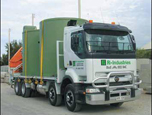
We understand that the timing of the delivery is extremely important. We work closely with you and your chosen plumber to coordinate delivery times. We employ a fleet of vehicles which are driven by courteous and knowledgeable drivers who will do their best to help you with the on-site delivery.

delivery21    shane-photos-071

To make sure the delivery process goes as smoothly as possible, please keep these tips in mind:

  • Our trucks are 10 metres long and 2.5 metres wide.
  • We will need to reverse up to the hole therefore easy access is very important.
  • A clear, level site is required to unload the tank in your excavated area.
  • 4.7 metres is needed for the truck to pass under trees and overhead power lines.
  • A minimum height clearance of 8 metres is required when unloading.
  • 4 metres clearance is required between gate posts.

We look forward to supplying you with our quality septic tanks. Please call Ri-Industries, at 08 8444 8100, with any questions so we can assist in making the process the best it can be.


How to Avoid Common Septic System Problems

by Ri Industries

What is a septic system? Essentially it is a large tank where human biological waste materials are broken down. Natural bacteria break the waste down into three components: gases, water, and solids.  The gases and water are eliminated into the environment while the solids sink to the bottom of the tank and eventually will be pumped out. If human biological waste were the only substances to enter the septic system, many of the commonly known problems would not occur.

Most households require their septic system to handle much more than human waste materials. For example, kitchen wastes, water from baths and showers, out put from dishwashers and washing machines including soaps and cleansers. Non-biodegradable items also make their way into the septic systems.

The added substances and extra work required of the septic systems are where many of the problems arise.  Why? Here are a few reasons:

  • Water levels rise more quickly than the solids can break down due to the excess water. This forces the solids into the distribution tubes which are solely designed for water.
  • Non biodegradable substances also cause the water levels to rise forcing the solids into the distribution tubes.
  • Detergents contain phosphates that act as fertilizer causing algae growth which blocks the perforations in the distribution tubes.

The above issues can be avoided or reduced by:

  • Spread the clothes washing out over the course of the week.
  • Shorten the length of showers.
  • Use liquid or gel soaps in dishwashers and washing machines as they do not contain phosphates.
  • Eliminate kitchen wastes.
  • Keep all non biodegradable substances out of the septic system.
  • Have the tank pumped on a regular basis.

For further guidance on maintaining your septic system, call Ri Industries at 08 8444 8100.