Tips for Planting Around a Septic Tank

by Ri Industries

Do you feel that? That’s the sun shining down and warming us up after a cold winter. And sunshine and warmth mean it’s time to start thinking about gardening. For those of us with septic tanks, that means thinking about the plants around your septic tank. How do you know where to plant and what to plant around your septic tank? That’s simple, you ask the experts at Ri-Industries for some tips.

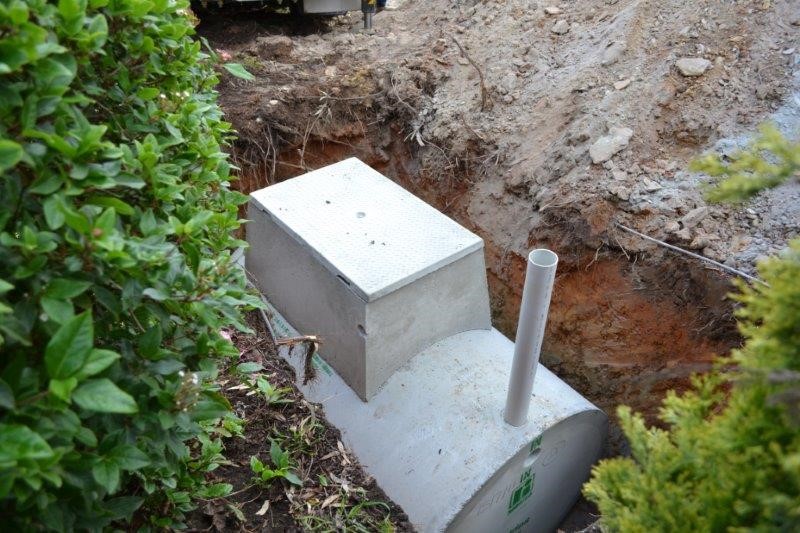
Tip #1: No thirsty plants or trees with deep roots. The root system of water-loving shrubs can become entangled in the pipes of your septic system if planted too close to your drainage field and cause problematic clogging. The root system provides a tree’s primary way of absorbing water, and those roots will extend toward the most abundant source of water in your yard. This means that if a tree is planted too close to a septic system, its roots will grow in the direction of the wet drainage field around it.

Tip #2: It is NEVER safe to plant fruits and vegetables over the septic tank! Eating them might entail ingesting harmful bacteria and you certainly do not want to take that risk.

Tip #3: There is no reason to leave the ground above the septic tank bare. In fact, it is actually advisable to plant the right kind of vegetation to help prevent erosion. Perennials, annuals, and grasses have shallow roots and are good choices to cover the septic tank area. Willow Myrtle trees, Swamp Oak trees, River Red Gum trees, Papyrus shrubs, and Oleander shrubs make particularly good choices to plant near the septic tank.

Septic tanks are not only costly to install, but they provide a very necessary function for your home. It is in your best interest to take heed when planning the landscaping above and around the septic tank to avoid damage, costly repairs, and the extreme inconvenience that accompanies a non-working septic tank.

Ri-Industries produces concrete septic tanks and septic tank lids of the highest quality that are built to last. A septic tank from Ri-Industries delivers many benefits:

  • Engineer-designed and built from fine tolerance steel moulds
  • All horizontal tanks engineered to a maximum depth of 900mm
  • Manufactured from 40 MPa concrete to give additional strength and durability
  • Internally, all joints are sealed, reducing the potential for leakages
  • Available in 14 different sizes, for maximum flexibility
  • Child-proof and vandal-proof concrete lids on our septic tanks give you additional peace of mind – also available as stand-alone replacement lids

For more information, please call 08 8444 8100.

Laundry Tips to Best Care for Your Septic Tank System

by Ri Industries

What is one chore around the home that is never complete? Laundry! The clothes you are wearing while you are washing, drying, and folding are becoming laundry as you work. It truly is a never-ending cycle and one that can affect your septic tank.

Short of sending your clothes out to be washed by someone else or never wearing the same article of clothing twice, laundry is a fact of life you cannot escape. Most people dread the monotonous chore of laundry and the last thing they want to do is cause problems in their home by the way they do the laundry. Ri-Industries is here to help you avoid common laundry mistakes that often lead to problems with septic tank systems.

Too Much is Not A Good a Thing

Some people like to take a big breath, dive in and get a week’s worth of laundry done in a day. Unless you can accomplish this in two loads, it’s not a good idea. When too much water passes through the septic tank, it does not have enough time to undergo the settlement process to properly break down the solid matter. The end result is that your soakage field could fail, causing expensive damage. Be especially cautious with the number of loads you do after an excessive amount of rain has fallen. To best care for your septic system, loads should be well spaced apart.

Double the Lint

Check your washing machine for a lint tray. Many machines come with one that needs to be emptied and cleaned just as you do with the lint tray in your dryer. Laundry debris and lint can escape to your pipes causing severe blockages. These substantial backups can break down your septic system, so take this tip seriously.

Liquid is Better Than Powder

Powdered detergents use fillers or extenders that can clog the soil in the drainfield and permanently damage its absorption ability.

Again, Too Much is Not a Good Thing

Excessive amounts of bleach and detergents will damage the good bacteria in the septic system. Good bacteria are needed to break down solids within your septic tank.

Excess Dirt Not Welcome

What? This is the laundry. Isn’t this where I’m supposed to put my dirty clothes? Normally soiled clothes, yes. Clothes that are excessively dirty, eg with caked-on mud, should first be brushed off to remove any excess dirt. The dirt/mud can clog the system and damage the absorption ability of your drainfield.

The above tips may not make your laundry chore go faster, but they will reduce the risk of damage to your septic tank system which we think you will consider a big plus. If you have more questions or would like to learn about Ri-Industries’ septic tanks, please call us at 08 8444 8100.

Why Does My Septic Tank Smell?

by Ri Industries

There are many beautifully fragrant smells to enjoy in South Australia, but septic tank smells certainly are not on the list. In fact, you should not smell your septic tank at all. If you do notice a malodorous scent wafting from the direction of your septic tank, it may be an indication of something gone wrong. Let’s talk smells and what they might mean for your septic tank.

If you are smelling the odour from your septic tank on your property it is a sign that something has gone wrong and if not attended to it could lead to contaminated water supply and or dangerous situations.

  • A smelly septic tank may mean a full or overflowing septic tank. The solution to this problem is simple. Call a professional and have your tank pumped. Most tanks are designed to be pumped every 4 years, but this will vary depending upon the size of the tank and the water usage of your home. Using more water than usual or expected average use will mean the tank will need to be pumped more often to reduce the septic smell.
  • Another problem that may result in a smelly septic tank is a covered septic tank vent. This often happens when a home or landscape is remodeled or renovated after your septic tank was installed. Check to make sure the vents are uncovered and in best repair.
  • Do you notice the odour is worse mostly after showering? If this is case, it most likely means the septic tank was not properly installed and may have been installed without any type of vent at all.
  • A clogged drain can lead to dryness and when a drain is dry, the gases that are normally trapped and prevented from entering the home can seep in. If you suspect a drain is clogged, you need to call a plumber.
  • Finally, an overly ripe septic tank can be caused by inappropriate items making their way into the system. Here is a list of things you shouldn’t let go down the drain:
    • Cooking grease, oil or fat
    • Industrial cleaning products
    • Paints
    • Solvents
    • Feminine hygiene products
    • Condoms
    • Antibiotics and other expired medications
    • Anti-freeze, transmission fluid, or gasoline.

These can disrupt the sewage breakdown and cause pungent septic tank odours.

When installed and maintained properly, Ri-Industries septic tanks should not allow the natural bad odours they contain to escape. If you have questions about your septic tank, please call us at 08 8444 8100.

Why Use Pre-Cast Concrete?

by Ri Industries

Ri-Industries has been specialists in pre-cast concrete products since 1947. We think that’s impressive! We’re hoping you will think that too, especially once you fully understand what pre-cast concrete is.

Regular concrete, or insitu or site-cast concrete, is poured on site. In contrast, high quality precast concrete is produced in a controlled factory environment using advanced manufacturing techniques. Reusable, reinforceable, and adjustable moulds are used and they are set up per design specifications before the concrete is poured in. Then the concrete is poured, vibrated, and cured. If specified, architectural finishes (such as honing, polishing or staining) may then be applied while still in the factory. From there, the finished pre-cast elements are transported to the site and craned into position.

By manufacturing the concrete in a factory, we are able to do all the pre-checks before products get delivered to site which gives us increased quality control over insitu concrete. Dimensional accuracy, properties of the hardened concrete and position of reinforcement can all be checked before being sent to site.

Pre-cast concrete is extremely versatile. For example, we use it to make septic tanks, waste water treatment systems and rainwater tanks. It’s also safe for indoor use since it doesn’t require any chemical treatment.  We also work regularly with civil engineering and construction companies to provide tailored pre-cast concrete solutions, such as bridge parapets, arch tunnels and retaining wall panels.

One of the great benefits of pre-cast concrete comes at the construction site. Unlike insitu concrete, there are no worries about weather delays. We can avoid a lot of headaches and hassles with this one. Because the tank is already formed in our factory, we can crane it into position during a rainy day just as we can on a sunny day (providing the rain hasn’t caused any access problems for our trucks). By manufacturing pre-cast concrete products in a factory, this also means that you can get the same results each time, as the weather will often affect the outcomes of concrete being poured on site.

On site, precast can be installed immediately, there is no waiting for it to gain strength and the modularity of precast products makes installation go quickly. With the ability to so tightly control the process, from materials to consolidation to curing, you can get extremely durable concrete.

These are just some of the reasons we are proud to be pre-cast concrete specialists.   What projects can we complete for you? You can see some of our work on our website , but better yet, give us a call at 08 8444 8100.


Which Toilet Paper is Best for my Septic System?

by Ri Industries

You may not realise that sense of satisfaction when you flush the toilet and see the smooth flow of water down the drain until the moment when you flush and feel a sense of dread as you watch the water rise towards the top of the bowl. The instant moment of panic as you realise the toilet is clogged and will likely overflow at any moment. Clogged toilets can cause a lot of damage. This is something you already know. What you might not know, is that the type of toilet paper you are using may actually be the culprit!

While people may think about what is and is not OK to flush down the toilet, toilet paper surely makes every ‘ok’ list out there. What most people don’t know is that soft and thick varieties of toilet paper could create problems for your septic system because they don’t dissolve quickly. Of course, the amount of toilet paper should also be watched. Flushing excessive amounts of toilet paper at one time can also be major contributors to problems and clogs.

The good news here is that the fix is simple and within your control. Only flush small amounts of toilet paper at one time and research the type of toilet paper you use. What’s the best type of toilet paper to buy? Paper that is soft, strong, and most importantly for your septic system, dissolves quickly. There’s even a fun little test you can do at home to check the toilet paper you choose before you flush. Test the paper by soaking it in water for 30 minutes and see how much it breaks down. The more it breaks down the better.

Properly functioning septic systems are important for your home and can be expensive to fix or replace. Taking control when and where you can will help keep your septic system running smoothly for many years to come. Questions? Call Ri-Industries at 08 8444 8100 and we will be happy to help you.

Why use Saddle Risers, Increments, and Cover Slabs with a Septic Tank

by Ri Industries

Septic tanks are one of those things we understand are important, but we’d rather not think about. We have them installed. We listen to the explanation of maintenance and we may even diary a time to have the tank pumped. Then we put all thoughts of septic tanks out of our minds and go about our business. That’s how it should be. Until the time comes for the tank to be pumped and we don’t remember exactly where it is. That can cause a problem. Luckily for you, Ri-Industries has a solution! Today, we’re going to tell you about saddle risers and increments.

So, what are saddle risers and increments?  The word ‘saddle’ makes it sound like we are going for a ride on the septic tank, but we assure you, our feet are staying firmly planted on the ground. Saddle risers are simply a way to help you avoid digging up your septic tank every three to four years for maintenance.

Think about it. The septic tank is buried deep underground. Although low maintenance is required, some maintenance will be required from time to time. How will the worker do what needs to be done? In the past, the pump-out contractor would have to dig down until he reached the septic tank. Now saddle risers, increments, and cover slabs work together to help the worker avoid all that painful digging and disruption to your outdoor area. No more guessing the exact spot where the septic tank is located. The saddle makes it easy to find, open and access septic tanks to pump out the contents and quickly re‐seal the cover. The covers are gas tight to contain odours and water tight to prevent effluent leaking from the septic tank or water from entering the septic tank.  They can also stop children and stock falling into or accessing your septic tank.

Ri-Industries manufacture saddles risers, increments, and cover slabs:

  • To suit all horizontal septic and holding tanks
  • Coverslabs suitable for pedestrian traffic only
  • Radius of saddle riser varies to suit tank
  • Each component fitted with 1.3t ‘Swiftlift’ anchors for lifting


For answers to all your septic tank, saddle riser, increment, and cover slab questions, call us at 08 8444 8100. We look forward to hearing from you.


Why Choose Pre-Cast Concrete Septic Tanks

by Ri Industries


Of all the many items in your home you worry about, the septic tank is definitely one you want to be sure remains in working order. Choosing the right type of septic tank, and the right company to buy it from, can make a huge difference.  There are many different types of septic tank, but we still recommend choosing a pre-cast concrete septic tank if you can.

Why do we recommend a pre-cast concrete septic tank? It has many advantages to the available alternatives:

  1. Concrete is inherently watertight which reduces the risk of leaks over the lifetime of the tank.
  2. Concrete tanks are heavy and will not ‘float’ to the top as lighter tanks sometimes do in certain situations.
  3. Concrete tanks are normally larger than ones made of other materials and therefore require pumping less often.
  4. Concrete does not rust (which can be an issue for tanks made from steel and certain parts of some plastic and fiberglass tanks).
  5. Concrete does not affect groundwater and surface water quality.
  6. Concrete tanks can last for decades (which can be substantially longer than tanks made of other materials).
  7. There is a lower risk of damage during installation of concrete tanks than during installation of tanks made of less durable materials.
  8. Concrete tanks can be pumped without fear of collapse unlike tanks made of other materials.

The septic tank performs an important function in your home and you want to be sure you keep it in working order at all times. Partner with a company who has a great reputation, will guide you to choose the proper tank for your home, and works closely with installers of septic tanks.

Ri-Industries has over 70 years of experience in the septic tank business in Adelaide, South Australia and has developed efficient manufacturing techniques to produce pre-cast concrete septic tanks and septic tank lids of the highest quality that are built to last. Please call to learn more.

Water Your Garden AND Conserve Water

by Ri Industries

Do you want a beautiful garden but worry it might conflict with your desire to conserve water? We say you can have your garden and conserve water with the Ri-Treat Waste Water System!

You deserve to have beautiful things in your life while feeling good about caring for our environment. The following tips will help you make smart choices when watering your home garden.

  1. Use Ri-Treat to irrigate your garden

The Ri-Treat Waste Water Treatment  System works to clean and re-use your waste water from the toilet, kitchen, and laundry to irrigate your garden. Ri-Treat features a high quality irrigation kit for more effective irrigation. This system is certainly a cost-efficient and environmentally friendly way to keep your garden looking green and healthy.

  1. Water your garden only when it needs it

While the Ri-Treat system can efficiently recycle your waste water for your home, it’s up to you to decide when your garden needs watering. To find out if your lawn needs water, use this rule of thumb: stick your finger about 4 cm into the soil, and if the soil is not moist, it is time for a shower.

  1. Water less often, but with gusto

Flower beds do well with just one or two watering sessions per week as long as it is a thorough watering.

  1. Water when cool

Plan to water during evening or early morning hours when the soil is cool. Less water will evaporate than during the heat of the day, allowing the plants to retain sufficient water.

  1. Dry leaves are healthy leaves

When kept wet overnight, leaf mold may form on leaves.  Leaves that are left wet during the hot daytime hours may develop slight burn marks.

  1. Put your garden on a schedule

For those of us who do not have time to stick our finger in the soil every day, it is recommended to water your garden deeply and infrequently (about 2.5 cm a week). But how do you measure how much water your lawn is soaking in? For this you can use a rain gauge or a cup of water placed on your garden and a ruler. Run your irrigation system for about 15 minutes, check the amount of water left in the cup or rain gauge, and you can do some quick calculations to find out how much water per hour is coming from the sprinkler.

So, go ahead and enjoy a beautiful garden at home while doing your part to conserve water. Have questions about the Ri-Treat Waste Water System? Give Ri-Industries a call at 08 8444 8100 and we’ll be happy to answer your questions.


Gardens Over Septic Tank Soakaways

by Ri Industries

When planning a garden, you may not think about your septic tank, but maybe you should. More specifically, you need to understand the do’s and don’ts of planting in or around your septic tank soakaway, also known as a soakage trench or drainage field.

First, what is a septic tank soakaway?

A septic tank soakaway is a series of underground, perforated pipes that allow septic tank effluent to soakaway over a large area. Excess nitrogen and phosphorus is removed from the effluent as it is purified by the soil. Plant roots can help your septic tank drain system work better by removing moisture and nutrients which in turn help the soil work more efficiently.

What should you plant over a septic tank soakaway?

Deep roots can damage soakaways, so shallow rooted plants are ideal for this area. A septic tank is generally installed about 0.6 to 0.9 meters underground, meaning you do not want the root systems of your small plants or shrubs to extend below this depth. The best plants to use near drainage fields are flowers, grasses, and small groundcovers that will not grow deep enough to disrupt the pipeline of your septic tank.

While Ri-Industries septic tanks are made from 40 MPa concrete, and the engineer-designed tanks are built to withstand anything, it is not recommended that anything with deep roots, especially trees, are planted near your septic system.

Tips: when planting, do not dig too deep and be sure to wear gloves to protect against bacteria that may be in the soil.

Dense covering, such as a lawn, is recommended over a septic tank soakaway to help prevent soil erosion.

Planting a lawn or garden over the soakaway is a good way to care for it while adding beauty to your landscape.

If you really must have plants near your septic system, speak with your garden specialist to find out the ph of your soil and choose shallow rooted plants suited to that ph level.  Otherwise, the simplest answer is to plant a lawn over the soakage trench.

For questions about septic tanks, call Ri-Industries at 08 8444 8100.

Ri-Industries Trade Waste Arresters

by Ri Industries

What is Trade Waste? It is liquid wastewater from a commercial or industrial entity that enters the sewer system. Some trade waste must be pre-treated before entering the sewer system. In those cases, trade waste arresters are used to stop harmful trade waste entering the drainage system where it may affect people or the environment. The arresters capture the waste and allow it to settle and separate. The treated wastewater can then safely enter the sewer system while the harmful waste can be disposed of.

Commercial trade waste arresters

Ri-Industries makes several trade waste arresters which meet a variety of needs and offer a multitude of benefits:

  • Made from precast concrete with a strength of 50 MPa at 28 days.
  • A number of different trade waste arresters are available including silt, grease and detention tanks.
  • All inlets suit HDPE pipes for easier connection.
  • Gas-tight lids set in precast concrete can also be supplied, as well as extension risers.
  • Increments and trafficable, gas-tight, heavy duty cast iron/concrete covers are available.
  • Units are lowered into the excavation site providing the site is level, firm and accessible.
  • All units are SA Water approved.

Maintenance is simple as our trade waste arrestors are particularly strong and built to last. The arrester is designed to trap all fats and oils contained in the washwater. Therefore, it should be completely cleaned out at three-monthly intervals or more frequently if necessary, following SA Water recommendations. Tank waste must not be discharged to the sewage system.

More information regarding the Ri-Industries Trade Waste Arresters can be found on our website.  A product catalogue is also available for download for your convenience. Of course, the best way to learn about our products is to call us at 08 8444 8100 and speak to one of our experts. We look forward to hearing from you!

Benefits of Ri-Cycle Commercial Wastewater Treatment System

by Ri Industries

Constructing commercial properties is a huge undertaking. Many factors go into the initial step of choosing locations for building sites. One important consideration is how wastewater will be managed. Are sewage pipes already laid and available for use? If not, is it possible to connect sewage pipes to the area? What will the cost be for off-site wastewater disposal? Is on-site wastewater treatment a possibility?

On-site wastewater treatment can be a major cost saver compared to installing and maintaining sewer pipes. It is also beneficial to the environment. The use of reclaimed water means less consumption of fresh water and when used water is eventually discharged back into natural water sources, it can still have benefits to ecosystems, improving streamflow, nourishing plant life and recharging aquifers, as part of the natural water cycle.

There are a variety of ways reclaimed water can be used for commercial properties. Irrigation of lawns, gardens, sporting facilities, golf courses is a common use. It can be used for road cleaning, soil compaction, concrete making and even dust control.

If the decision is made to use a commercial wastewater treatment system, the Ri-Cycle manufactured by Ri-Industries should be considered. The Ri-Cycle is an aerobic systemand is one of the most effective methods in Australia for dealing with sewage.

With its unique design, the Ri-Cycle wastewater system offers a number of benefits:

  • Flexible design so they can be tailored to suit your exact requirements
  • The high quality bio filter medium enhances the purity of the recycled water
  • All irrigation pumps are stainless steel, submersible, quiet, reliable and inexpensive to operate.  And because of the high quality of effluent being passed through the system the normal manufacturer’s warranty of 12 months is extended to 3 years
  • A German-manufactured side channel Air Pump offers a reliable and efficient aeration
  • Three sizes of Ri-Cycle tanks offer maximum flexibility for use in many buildings and sites
  • Child-proof, vandal-proof and trafficable lids give you additional peace of mind
  • A manufacturers’ warrantyon tank construction – longer than comparable products

Please call us at 08 8444 8100 to learn more about the Ri-Cycle. Our experts will be happy to assist you.

The Ri-Treat Wastewater Treatment System Helps Conserve Water

by Ri Industries

Waste not, want not!

A proverb:
If you use a commodity or resource carefully and without extravagance, you will never be in need.

Water is definitely a commodity we do NOT want to find ourselves without. Yet, we also know how easy it is to waste water around our homes. There are simple steps we can take to reduce water waste like turning the taps off while brushing teeth, taking shorter showers and watering lawns/gardens in the early morning or evening. Ri-Industries has a simple method to conserve even greater amounts of water in your home: our Ri-Treat Waste Water Treatment System!Most homes in South Australia use potable (drinking) water for all household needs. What a waste! We can literally treat the wastewater produced in your home to be clean enough to water the garden, do laundry, and more. According to the Your Home government website, here are some advantages of using treated wastewater:

  • Reduce water bills
  • Use fewer water resources
  • Irrigate the garden during drought or water restrictions
  • Cut down the amount of pollution going into waterways
  • Help save money on new infrastructure for water supplies and wastewater treatment
  • Decrease demand on infrastructure for sewage transport, treatment and disposal, allowing it to work better and last longer.

Ri-Treat Wastewater Treatment System


What advantages do you get from installing a Ri-Treat Wastewater System?

  • A mono cast 50 MPa reinforced concrete construction, with no fibreglass or plastic structural components, means that no untreated effluent will escape into the environment.
  • The high-quality bio filter medium enhances the purity of the recycled water.
  • All irrigation pumps are submersible, quiet, reliable and inexpensive to operate.
  • The Japanese Air Pump offers the most reliable and efficient aeration and has a 2-year warranty.
  • Ri-Treat tanks come in three sizes, offering maximum flexibility and even allowing for an internal spa bath.
  • Child-proof and vandal-proof lids give you additional peace of mind.
  • A high-quality irrigation kit for more effective irrigation.
  • The septic tank is sealed as an additional precaution.
  • manufacturers’ warranty on tank construction.

For houses needing a smaller treatment system, or where site access is difficult, Ri-Industries also offers a fiberglass waste water treatment alternative:  FujiClean.

Our products are reputed to be the best in South Australia and our employees are top experts in the field. Call us on 08 8444 8100 to learn how a wastewater treatment system Adelaide can benefit your home.