Waste Water Treatment; A Look at Many of the Benefits

by Ri Industries

Image shows Ri-Industries waste water treatment system being installed

Waste water treatment provides many benefits, especially to those living in South Australia. Ri-Industries proudly offers the Ri-Treat EP10 and the Ri-Treat EP33 waste water treatment systems as sustainable solutions that are good for homes, businesses, the environment, and our communities.  

Water Conservation and Drought Resilience

One of the most significant advantages of waste water treatment is its contribution to water conservation. By recycling and reusing water, we’re reducing the demand for traditional water sources and helping to conserve precious freshwater resources. This is particularly crucial in South Australia, where drought is a recurring challenge. Treated waste water provides an additional and reliable water source, enhancing our region’s drought resilience.

Economic Benefits

Implementing waste water treatment systems can lead to cost savings for homes and businesses. Using reclaimed waste water for non-potable purposes often requires less treatment compared to bringing freshwater to the necessary quality standards. This can result in lower costs and improved efficiency.

Environmental Protection

Waste water treatment plays a vital role in protecting our environment. By treating and reusing waste water, we’re reducing the amount of treated effluent discharged into rivers and other natural water bodies. This minimises potential harm to aquatic ecosystems and helps maintain the health of our waterways.

Supporting Agriculture and Industry

Treated waste water has numerous applications that benefit various sectors:

  1. Agricultural Irrigation: Reclaimed water can be used for crop irrigation, reducing reliance on potable water and contributing to sustainable farming practices.
  2. Industrial Processes: Many industries can use treated waste water for cooling systems, manufacturing, and other non-potable water needs.

As a company committed to sustainability, Ri-Industries is proud to help lead the way in waste water treatment and recycling. By embracing these technologies and practices, we’re not just conserving water – we’re also building a more resilient and sustainable future for South Australia.


Septic Tank Myths_ Busted!

by Ri Industries

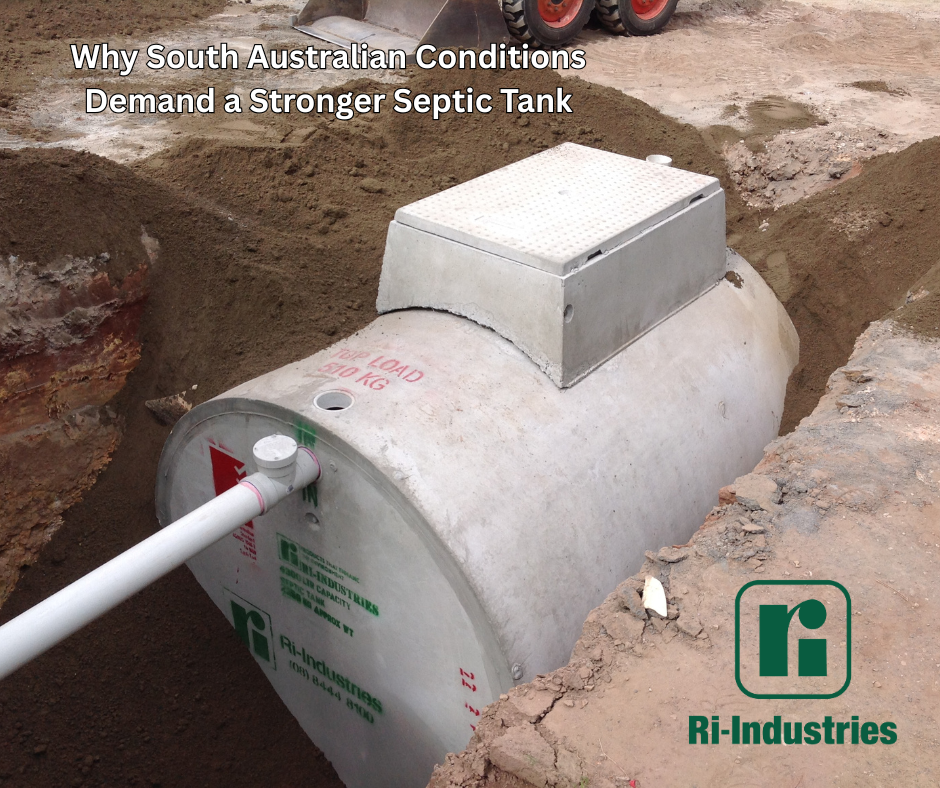
Image shows a Ri-Industries concrete septic tank being installed underground.

Septic tank myths need to be busted! As a leading septic tank company in South Australia, we’ve encountered numerous misconceptions about septic systems. Let’s debunk some of the most common myths to help you better understand and maintain your septic tank.

Myth #1: Septic Tanks Never Need Maintenance

This is perhaps the most dangerous myth we encounter. Many homeowners believe that once installed, septic tanks can be left alone indefinitely. The truth is, regular maintenance is crucial for the proper functioning and longevity of your septic system.

Fact: Septic tanks should be inspected and pumped every 3 to 5 years, depending on your household size and water usage.

Myth #2: Additives Eliminate the Need for Pump-Outs

Some products claim to improve sewage digestion and eliminate the need for pumping. However, this is misleading.

Fact: While certain additives may be beneficial, they do not replace the need for regular pump-outs. Well-balanced septic tanks don’t require additives to function properly.

Myth #3: You Can Flush Anything Down the Drain

This myth can lead to serious septic system problems. Your septic system is designed to handle only wastewater and human waste.

Fact: Items like coffee grounds, feminine hygiene products, and harsh chemicals can upset the balance of beneficial microbes in your tank and cause blockages or system failures.

Myth #4: It’s Fine to Build Over Your Septic Tank

Some homeowners believe it’s acceptable to build structures over their septic tank or drain field.

Fact: Building over your septic system can block access for maintenance, disrupt necessary ventilation, and interfere with the natural breakdown of wastewater in the soil.

Myth #5: Septic Tanks Must Be Replaced After 20 Years

While septic systems don’t last forever, there’s no set expiration date.

Fact: With proper maintenance, many septic systems continue to function well beyond 20 years. The lifespan of your system depends more on how well it’s maintained than on its age.

Myth #6: Water Usage Doesn’t Affect the Septic System

Some homeowners believe their water consumption has no impact on their septic system.

Fact: Excessive water use can overload your septic system, leading to inefficient treatment and potential system failures. Be mindful of your water usage to protect your septic system.

Understanding these facts about septic systems can help you avoid costly repairs and ensure the longevity of your system. Remember, regular maintenance is key to a healthy septic system. 


What benefits do you get with a septic tank manufactured by Ri-Industries?


  • Engineer-designed and built from fine tolerance steel moulds
  • All horizontal tanks engineered to a maximum depth of 900mm
  • Manufactured from 40 MPa concrete to give additional strength and durability
  • Internally, all joints are sealed, reducing the potential for leakages
  • Available in several different sizes, for maximum flexibility
  • Child-proof and vandal-proof concrete lids on our septic tanks give you additional peace of mind – also available as stand-alone replacement lids

If you have questions about your septic tank, using the tank, or the maintenance of the tank, don’t hesitate to contact Ri-Industries on 8444 8100.


Why is Pre-Cast Concrete a Great Choice for Commercial Uses?

by Ri Industries


Image shows a Ri-Industries pre-cast concrete product being installed.

When it comes to commercial construction, durability, efficiency, and aesthetic appeal are critical considerations. Pre-cast concrete products have emerged as a top choice for builders and developers across South Australia, providing versatile solutions that meet the demands of modern commercial projects.

Why is pre-cast concrete a great choice for commercial construction and uses?

Pre-cast concrete is manufactured in a controlled environment and then transported to the construction site, ready for installation. This process ensures consistency, quality, and speed -attributes that are vital for commercial projects.

Key Benefits for Commercial Applications

  1. Durability and Longevity
    • Pre-cast concrete is designed to withstand South Australia’s varied climate, from hot summers to sudden storms. Its inherent strength ensures structures remain resilient against wear and tear, reducing maintenance costs over time.
  2. Cost Efficiency
    • By manufacturing concrete components off-site, labour costs and on-site disruptions are minimised. The speed of installation also shortens project timelines, saving money for developers and contractors.
  3. Design Flexibility
    • From sleek façades to functional load-bearing walls, pre-cast concrete can be customised to suit a variety of architectural styles and commercial needs. It allows for the creation of unique designs while maintaining structural integrity.
  4. Sustainability
    • Pre-cast concrete’s energy-efficient production process and potential for recyclability make it an environmentally friendly choice. In an era where sustainability is paramount, this feature is increasingly important for commercial developments.

As a manufacturer of pre-cast concrete solutions, Ri-Industries provides a range of products for commercial use, such as:

  • Trade waste arrestors
  • Wheel stops
  • Storm water sumps
  • Covers
  • Grates and frames
  • Inspection openings
  • Special projects: tailored pre-cast concrete solutions for civil engineering and construction

You can learn more about each of these on our website

How can our pre-cast concrete products benefit your commercial needs? Please call us on 08 8444 8100 and our experts will be happy to answer your questions and help you choose the best products to fit your needs. 


4 Common Myths About Pre-Cast Concrete Debunked

by Ri Industries

Image shows a commercial truck with Ri-Industries on it hauling concrete products.

Pre-cast concrete has been a cornerstone of modern construction, offering versatility, strength, and sustainability. Despite its widespread use, several misconceptions persist about this remarkable material. Let’s set the record straight by debunking five common myths about pre-cast concrete.

Myth 1: Pre-Cast Concrete Is Only for Large-Scale Projects

Reality: While pre-cast concrete is a popular choice for large commercial and infrastructure projects, it is equally suitable for small-scale applications. From septic tanks to rainwater tanks, pre-cast products cater to a variety of needs. The ability to customise makes it a versatile option for projects of any scale.

Myth 2: Pre-Cast Concrete Is Not Eco-Friendly

Reality: Pre-cast concrete is an environmentally friendly building material. Its production process minimises waste, and any leftover material can often be recycled. Additionally, pre-cast concrete’s durability means structures require less maintenance and have longer lifespans, reducing the need for replacement materials over time. 

Myth 3: Pre-Cast Concrete Is Too Expensive

Reality: While the upfront cost of pre-cast concrete may seem higher than some alternatives, it often proves more cost-effective in the long run. Its durability reduces maintenance and repair expenses, and its quick installation saves on labour costs and project timelines. When considering total lifecycle costs, pre-cast concrete is a budget-friendly choice.

Myth 4: Pre-Cast Concrete Is Difficult to Install

Reality: Pre-cast concrete is specifically designed for easy installation. Since components are manufactured off-site, they arrive ready for assembly, significantly reducing on-site construction time. Pre-cast products often include features like lifting hooks or custom connectors, simplifying the installation process even further. With the right planning and tools, installation is both quick and efficient.

Pre-cast concrete is a versatile, durable, and eco-friendly material that can enhance projects of any size or style. By debunking these common myths, it’s clear why pre-cast concrete continues to be a preferred choice for builders, architects, and homeowners alike.

Curious to see how pre-cast concrete can benefit your next project? Call Ri-Industries on 08 8444 8100.


Choosing the Right Toilet Paper for Septic Tanks

by Ri Industries

image shows rolls of toilet paper

Choosing the right toilet paper is more than just a comfort issue—it’s about maintaining the health of your septic tank. A septic system is a delicate ecosystem of bacteria that breaks down waste, and not all toilet papers are created equal when it comes to supporting this process. Using the wrong kind can lead to clogs, slow drainage, and expensive repairs. 

How Septic Systems Work

A septic system separates solids from wastewater, allowing bacteria to break down the waste in the tank. Water and treated waste are then filtered back into the soil. Since everything flushed into the system needs to decompose properly, toilet paper plays a crucial role in maintaining its balance. If the toilet paper doesn’t break down quickly enough, it can accumulate and cause blockages.

What Makes Toilet Paper Septic-Safe?

When selecting a toilet paper for a home with a septic system, the key qualities to look for are:

  • Biodegradability: Septic-safe toilet paper should break down quickly in water to avoid clogging pipes or filling up the tank.
  • Strength vs. Dissolvability: While strong toilet paper is convenient, it should still dissolve easily in water. The balance between softness and dissolvability is crucial.
  • Free from additives: Many scented or lotion-infused toilet papers contain chemicals that may disrupt the bacterial balance in the septic tank, making it harder for waste to break down properly.

Best Toilet Paper Brands for Septic Tanks in South Australia

There are many toilet paper types and brands suitable for septic tanks. Here is a selection:

  1. Quilton Toilet Paper
    • Quilton is a well-known and widely available brand in Australia. Quilton’s standard 3-ply toilet paper is soft and strong, but they also offer a 2-ply variety that’s better suited for septic tanks. The 2-ply option is designed to break down faster in water, which reduces the risk of clogging and allows for a smoother operation in septic systems. It’s a good middle ground between comfort and dissolvability.
  2. Sorbent Toilet Paper
    • Sorbent offers a hypoallergenic range of toilet paper that’s free from fragrances and dyes, making it a great option for those with septic systems. The 2-ply and 3-ply versions dissolve fairly well in water, but for the best results, the 2-ply is recommended. Its thinner sheets allow for quicker breakdown without sacrificing too much in the way of comfort.
  3. Who Gives A Crap Toilet Paper
    • Who Gives A Crap is a popular eco-friendly brand available in South Australia that uses 100% recycled materials. This makes it a great option for septic tanks as recycled toilet paper tends to break down more quickly. Additionally, their products contain no dyes, fragrances, or lotions, which helps maintain the balance of bacteria in septic systems. Bonus: this brand is committed to sustainability and donates 50% of its profits to build toilets in developing countries.
  4. Pure Planet Toilet Paper
    • Pure Planet is another eco-conscious brand that uses bamboo to create toilet paper. Bamboo fibers tend to dissolve quickly, making this a septic-safe choice. Like Who Gives A Crap, Pure Planet also avoids using chemicals or additives, so it won’t disrupt the natural bacteria in your tank.
  5. Coles and Woolworths 2-Ply
    • Coles and Woolworths offer their own brand of toilet paper that’s affordable and septic-friendly. For example, the “So Soft” 2-ply variety from Coles strikes a balance between comfort and biodegradability, making it a solid option for homes with septic tanks. Being supermarket brands, these are easily accessible across South Australia.

Toilet Paper to Avoid for Septic Tanks

While it’s tempting to go for plush, ultra-soft toilet paper, many of these varieties are not ideal for septic tanks. Heavily quilted, thick, or scented varieties take much longer to break down, which can lead to blockages. Avoid 3-ply and 4-ply options, or any brand marketed as “luxury” or “super soft,” as they typically take longer to dissolve. Popular brands that should be used sparingly (or avoided) in homes with septic systems include:

  • Kleenex Cottonelle: Known for its thick, quilted sheets, Cottonelle may be too dense to break down quickly in a septic tank, especially in multi-ply varieties.
  • Scented or Lotioned Varieties: Any brand offering scented or infused papers may contain chemicals that disrupt the septic system’s balance.

Tips for Maintaining a Healthy Septic System

  • Limit Paper Use: Even with septic-safe toilet paper, it’s a good idea to limit how much you flush at one time.
  • Flush only toilet paper: Never flush wipes (even if labelled flushable), paper towels, or other items down the toilet. These do not break down properly and can cause major blockages.
  • Regular Pumping: Ensure that your septic tank is pumped every 3-5 years to remove built-up sludge and prevent overflow.

Choosing the right toilet paper can make a significant difference in the longevity and efficiency of your septic system. By using toilet paper that’s designed to dissolve quickly and avoiding thick or chemical-laden varieties, you’ll help keep your septic system running smoothly for years to come.

Are you interested in learning about our concrete septic tanks? Give us a call on 08 8444 8100.

Why Rainwater Tanks Are a Smart Investment in South Australia

by Ri Industries

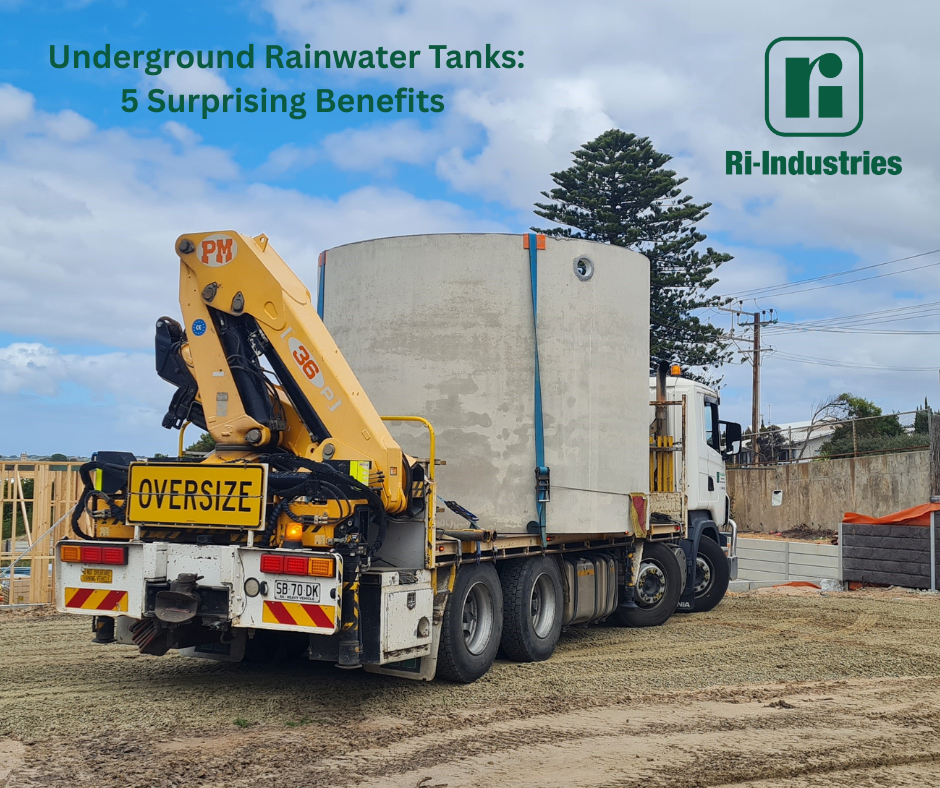
image of concrete rainwater tank on truck being delivered to site

Rainwater tanks are a smart investment in South Australia. According to abc.net.au, South Australia had the eighth driest April in 2024 since record keeping began. With water scarcity being a persistent challenge in the region, especially in rural areas, residents are increasingly looking for ways to conserve water and manage it more efficiently. One of the best investments for homeowners and businesses in South Australia is installing a rainwater tank. These tanks not only help secure water supply during dry periods but also offer financial, environmental, and lifestyle benefits.

Here’s why investing in a rainwater tank is a wise decision for South Australians.

1. Water Conservation in a Drought-Prone Region

South Australia frequently faces periods of low rainfall, making rainwater collection an important resource. By capturing and storing rainwater, homeowners can reduce their reliance on mains water supplies. Rainwater can be used for various purposes, including:

  • Gardening: During times of low rainfall, many households have to cut back on watering gardens and lawns. A rainwater tank allows you to keep your plants healthy and vibrant without worrying about fines or penalties.
  • Toilet flushing and laundry: Installing a tank with a pump system allows you to use rainwater for everyday household chores, further reducing your dependency on potable water.
  • Drinking water: With proper filtration, rainwater can be used as a safe and sustainable drinking water source.

Given South Australia’s limited rainfall, having a rainwater tank helps ensure that your household remains water-secure during dry spells or when water restrictions are enforced.

2. Cost Savings on Water Bills

One of the most compelling reasons to invest in a rainwater tank is the potential for significant cost savings. By using rainwater for non-potable purposes (like flushing toilets, washing clothes, and irrigating gardens), you can reduce your reliance on mains water and cut down on your water bills.

In areas with high water costs, such as Adelaide, even moderate use of rainwater can lead to noticeable savings over time. Additionally, by relying less on mains water, households are protected against future price increases or supply disruptions.

3. Environmental Benefits

Investing in a rainwater tank is an environmentally responsible choice. By capturing rainwater, you’re reducing the demand for treated mains water, which takes energy and resources to pump, purify, and transport. Using rainwater helps:

  • Reduce stormwater runoff: In urban areas, heavy rains often lead to water running off roofs and streets, picking up pollutants before entering storm drains and eventually the ocean. By capturing rainwater in a tank, you can help reduce stormwater runoff, protecting local waterways and reducing the burden on stormwater infrastructure.
  • Decrease energy consumption: Treating and distributing mains water requires significant energy. By reducing your demand for treated water, you contribute to lowering the energy footprint associated with water consumption.
  • Promote sustainable living: Using natural resources wisely, such as rainwater, aligns with eco-friendly practices and helps mitigate the effects of climate change.

4. Independence from Water Restrictions

South Australia is often referred to as the driest state in the driest country on the driest inhabited continent. The last imposed water restrictions were in 2020. By having a rainwater tank, you gain a level of independence from these restrictions. You can continue to maintain your garden, fill your pool, or water your property using stored rainwater without violating any water use regulations.

5. Government Rebates and Incentives

In recognition of the importance of water conservation, the South Australian government and local councils have offered incentives and rebates for installing rainwater tanks in the past.  Check with your local council if any are still available. These programs aim to reduce strain on public water systems and encourage the use of alternative water sources. While rebates can vary by location and specific conditions, they often help offset the initial installation cost, making rainwater tanks an even more attractive investment.

6. Increasing Property Value

A rainwater tank can also be a valuable addition when it comes to selling your property. Prospective buyers increasingly view water conservation systems as an attractive feature, particularly in water-scarce regions like South Australia. A rainwater tank shows that the property is designed with sustainability in mind, which can be a significant selling point. This is especially true if the tank is plumbed into the home for practical use, such as in toilets or for garden irrigation.

7. Versatility in Size

Ri-Industries rainwater tanks come in four sizes to suit your property’s needs. Whether you live in a compact urban home or a sprawling rural property, we have a rainwater tank solution for you.

8. Climate Change Resilience

Climate change is expected to bring more unpredictable weather patterns, including both increased rainfall intensity and longer dry periods. Investing in a rainwater tank now helps future-proof your home against these changes. By capturing water during heavy rainfalls, you can ensure you have a supply during times of drought, making your home more resilient to the effects of climate variability.

Rainwater tanks are a smart investment for South Australians looking to conserve water, reduce their bills, and become more self-sufficient. With environmental, financial, and practical benefits, rainwater harvesting offers a sustainable solution to the region’s water challenges. Whether you’re interested in reducing your water bills, maintaining a lush garden through summer, or simply doing your part to protect the environment, a rainwater tank is an excellent addition to any South Australian home or property.

Call us to learn how a Ri-Industries concrete water tank can benefit you! 08 8444 8100

How can a Septic Tank Save you Money

by Ri Industries

How can a septic tank save you money? Living in South Australia, especially in rural or semi-rural areas, often means managing your own wastewater. One of the most effective ways to do this is by installing a septic tank. While the initial cost might seem significant, having a septic tank can actually save you money in the long run. Here’s how:

1. No Monthly Sewer Bills

In urban areas, households typically pay monthly or quarterly sewer bills for wastewater treatment services. When you have a septic tank, you avoid these ongoing costs entirely. This can lead to substantial savings over time, especially when considering the rising costs of utilities.

2. Lower Water Usage Costs

A well-maintained septic system encourages mindful water use. Since the septic system can only handle so much water at once, households with septic tanks tend to be more conservative with their water usage. This not only prolongs the life of the septic system but also reduces your overall water consumption, leading to lower water bills.

3. Durability and Longevity

Septic tanks are designed to last for decades with proper care. Unlike centralised sewer systems, which can require expensive repairs or upgrades, a septic tank that is regularly pumped and maintained can function efficiently for 30 years or more. This long lifespan makes the initial investment in a septic tank a cost-effective solution.

4. No Need for Expensive Sewer Connections

If you live in a remote or newly developed area, connecting to the municipal sewer system can be costly. Installation fees, pipe connections, and other related expenses can quickly add up. With a septic tank, these costs are avoided, as the system is entirely self-contained on your property.

5. Increase in Property Value

A well-maintained septic system can be an attractive feature for potential buyers, especially in areas where sewer connections are not available or are expensive to install. A septic system that is in good condition can increase your property value, making it a smart investment if you ever decide to sell your home.

6. Environmentally Friendly

Septic tanks, when properly maintained, are more environmentally friendly than many centralised sewer systems. They naturally treat wastewater on-site, reducing the strain on public treatment facilities. 

7. Minimal Maintenance Costs

While septic systems do require regular maintenance, these costs are typically much lower than what you might pay in sewer bills over time. Regular pumping (every 4 years or so) and the occasional inspection are usually all that’s needed to keep your septic tank functioning well. Compared to the ongoing costs of a sewer connection, septic tank maintenance is generally more affordable.

8. Reduced Risk of Sewer Backups

Public sewer systems can sometimes become overloaded, leading to backups into homes. These incidents can be both costly and stressful to deal with. A properly maintained septic tank, on the other hand, is less likely to experience such issues, saving you from potential repair costs and water damage.

9. Customisable to Your Needs

Septic systems can be tailored to fit the specific needs of your household and property. This customisation ensures that your system is as efficient as possible, avoiding unnecessary costs. Whether you have a large family or a small household, a septic system can be designed to meet your exact requirements, ensuring you’re not paying for more than you need.

The financial benefits of having a Ri-Industries septic tank are clear. From avoiding ongoing sewer bills to conserving water and increasing property value, a septic system can be a wise investment. With proper maintenance and mindful usage, your septic tank can save you money and provide reliable wastewater management for years to come.

Tips to Keep Your Septic Tank In Good Working Order

by Ri Industries

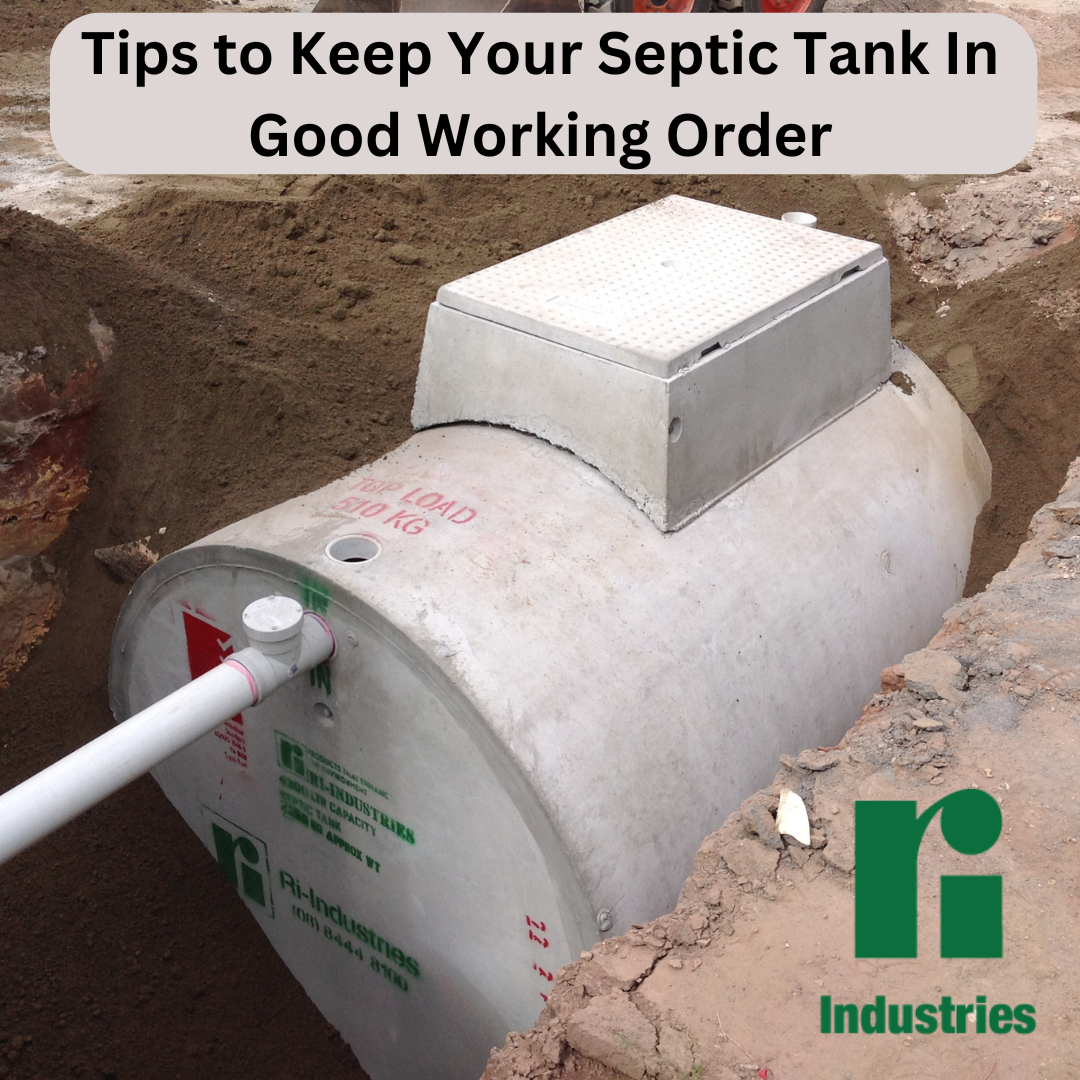
Image shows a septic tank in the ground with the Ri-Industries logo and the title of the article - Tips to Keep Your Septic Tank in Good Working Order

Septic tanks are an essential part of wastewater management for many homes in South Australia, especially in rural areas. Proper maintenance ensures your system functions efficiently, preventing costly repairs and environmental issues. Ri-Industries concrete septic tanks deliver many benefits which help maintain efficient functionality.https://www.ri-industries.com.au/residential/septic-tanks/

Here are some key tips to help you keep your septic tank working:

1. Regular Pumping and Inspection

One of the most crucial aspects of septic tank maintenance is regular pumping. Over time, solids build up in the tank and must be removed to prevent them from entering the drain field. It’s recommended to pump your septic tank every 4 years, depending on regulations, the size of the tank and the number of people using the system.

2. Be Mindful of What Goes Down the Drain

Your septic system is designed to handle specific types of waste. Non-biodegradable items like wipes, sanitary products, and certain chemicals can clog the system and disrupt the bacterial balance. Stick to biodegradable materials and avoid flushing anything that could cause blockages. To learn about items which shouldn’t be flushed, read our article Can I Flush This Waste?

3. Conserve Water

Excessive water usage can overload your septic system, leading to potential failure. In South Australia, where water conservation is already a priority, this becomes doubly important. Spread out laundry loads, fix any leaks, and consider installing water-efficient fixtures to reduce the strain on your septic system. Our article, Laundry Tips to Help Your Septic Tank System, will give you some helpful tips. 

4. Use Septic-Safe Products

Cleaning products and detergents with harsh chemicals can kill the beneficial bacteria in your septic tank that help break down waste. Opt for septic-safe or environmentally-friendly products to maintain a healthy balance in your system. Our website has many articles on this topic. Here is one titled Helpful Household Cleaning Tips: Bathroom Edition. 

5. Maintain the Drain Field

The drain field is an essential part of your septic system, allowing wastewater to be filtered naturally. Avoid planting trees or large shrubs near the drain field, as roots can damage the pipes. Also, never park vehicles or place heavy objects on the drain field, as this can compact the soil and reduce its effectiveness.

6. Be Aware of Warning Signs

Pay attention to any warning signs that your septic system may be in trouble. Slow drains, unpleasant odours, or standing water near the drain field can indicate issues that need immediate attention. Early intervention can prevent more serious problems. You can learn more in our article How To Spot Problem Signs in Septic Tanks.

7. Consider the Local Environment

South Australia’s unique climate and soil conditions can impact your septic system. For example, sandy soils may require more frequent inspections, while areas with heavy clay might need specific types of septic systems. Always consider the local environment when planning your septic system maintenance.

8. Educate Your Household

Make sure everyone in your household understands how to properly use the septic system. This includes what can and cannot be flushed or poured down the drains and how to conserve water. A little education goes a long way in preventing common septic system problems.

9. Hire Professionals When Needed

While some routine maintenance can be done on your own, it’s important to know when to call in professionals in addition to arranging pumping every 4 years or so. Regular inspections by a licensed septic service can catch problems early and ensure your system is functioning as it should.

Maintaining your septic tank is a combination of regular care, mindful water usage, and an understanding of the local environment. By following these tips to keep your septic tank working, you can ensure your septic system remains efficient and trouble-free for years to come. As always, our experts are available to answer questions about our products. Please call 08 8444 8100.

Innovative Uses for Concrete Rainwater Tanks in South Australia

by Ri Industries

Image  shows Ri-Industries Concrete Rainwater Tanks


Concrete rainwater tanks, such as the ones manufactured by Ri-Industries, have long been valued for their durability and ability to provide a reliable water source. However, beyond the traditional use of garden irrigation, there are several innovative uses for rainwater that can benefit homeowners. Here’s a look at some creative and practical ways to use harvested rainwater.

1. Household Water Supply

A Sustainable Water Source

One of the most impactful uses of rainwater is for household water supply. With proper filtration and treatment, rainwater can be used for drinking, cooking, and bathing. This not only reduces reliance on municipal water supplies but also provides a sustainable solution during times of drought.

Filtration and Safety

Concrete tanks are ideal for this purpose as they maintain a cooler temperature, reducing the growth of algae and bacteria. A well-designed filtration system ensures that the water remains safe for household use, making this a viable option for off-grid living or areas with limited access to clean water.

2. Toilet Flushing

Water Conservation

Toilet flushing accounts for a significant portion of household water use. By using rainwater for this purpose, homeowners can drastically reduce their water bills and conserve potable water for drinking and cooking.

System Integration

Integrating a rainwater tank with the plumbing system can be straightforward. Concrete tanks, with their robust structure, ensure a consistent supply of water without the risk of contamination that can occur with plastic tanks.

3. Laundry

Soft Water Benefits

Rainwater is naturally soft, meaning it has low mineral content. This can be beneficial for laundry as it requires less detergent and is gentler on clothes, leading to longer-lasting garments and less wear and tear on washing machines.

Eco-Friendly Washing

Using rainwater for laundry is an eco-friendly choice that aligns with sustainable living practices. Concrete tanks provide a stable and clean storage solution, ensuring that the water used for laundry is of high quality.

4. Outdoor Cleaning

Efficient Cleaning

Rainwater can be effectively used for cleaning outdoor areas such as patios, driveways, and cars. This use is especially beneficial during water restrictions, allowing homeowners to maintain cleanliness without drawing from the mains water supply.

Pressure Washing

Concrete tanks can support the high-pressure systems needed for outdoor cleaning equipment, ensuring a steady and reliable water flow.

5. Fire Protection

Emergency Supply

In regions prone to bushfires such as parts of South Australia, having an accessible and reliable water source is crucial. Concrete rainwater tanks can be used to store water specifically for firefighting purposes, providing homeowners with an added layer of protection.

Durability in Extreme Conditions

Concrete tanks are less likely to be damaged in extreme conditions compared to plastic tanks, ensuring that the water supply remains intact and usable in emergencies.

6. Wildlife and Garden Ponds

Supporting Local Wildlife

Creating a pond with rainwater can support local wildlife by providing a habitat for birds, amphibians, and insects. This contributes to biodiversity and a healthier ecosystem.

Garden Aesthetics

A rainwater-fed pond can also enhance the aesthetic appeal of a garden. Concrete tanks ensure that the water remains uncontaminated and the structure remains durable over time.

For homeowners looking to enhance sustainable living or for homeowners who reside off mains water supplies, the Ri-Industries concrete rainwater tanks can be extremely beneficial. Rainwater is often collected and used to water gardens, but there are many other uses as well. Are you using rainwater for different purposes at your home or business? We’d love to hear about it!

Environmental Benefits of Using Concrete Tanks_ Reduced Plastic Waste and Long-Term Sustainability

by Ri Industries

Image shows a house at nighttime, lit up with lush green grass and palm trees


Concrete tanks have become increasingly popular in South Australia for both septic purposes and rainwater storage. Beyond their durability and reliability, concrete tanks offer significant environmental benefits such as reducing plastic waste and promoting long-term sustainability.

1. Reduced Plastic Waste

Longevity and Durability

Concrete tanks are known for their long lifespan, often exceeding 50 years with proper maintenance. This longevity means fewer replacements and less waste over time. In contrast, plastic tanks typically have a shorter lifespan and are more prone to damage, leading to more frequent replacements and increased plastic waste.

2. Sustainable Production and Use

Energy Efficiency

The production of concrete tanks is less energy-intensive compared to plastic. Concrete uses natural materials like limestone, clay, and sand, which are abundant and locally available in South Australia. This reduces the carbon footprint associated with transporting materials over long distances.

Reduced Chemical Leaching

These tanks do not leach chemicals into the stored water, unlike some plastic tanks which can release harmful substances over time. This makes concrete a safer and more environmentally friendly option for water storage.

3. Water Conservation and Management

Rainwater Harvesting

Concrete rainwater tanks play a crucial role in water conservation. Harvesting rainwater reduces the demand on municipal water supplies and helps manage water resources more sustainably. 

Improved Water Quality

These tanks maintain a cooler temperature, which inhibits the growth of algae and bacteria, ensuring better water quality. This makes rainwater more suitable for a variety of uses, including irrigation, household chores, and even drinking (with appropriate filtration and treatment)​.

4. Resilience to Climate Change

Adaptability to Extreme Weather

Concrete tanks are highly resilient to extreme weather conditions, such as heatwaves and bushfires. Their robust structure ensures that the water supply remains protected and usable even during adverse weather events.

These tanks offer a range of environmental benefits that make them a superior choice for water storage solutions. From reducing plastic waste and minimising environmental pollution to supporting sustainable water management and climate resilience, concrete tanks are a key component of eco-friendly living. Learn more about our concrete products by visiting our website or calling 08 8444 8100.


Xeriscaping – Embracing Sustainable Landscaping in South Australia for the Colder Months

by Ri Industries

Image shows sustainable landscaping ideal for colder months

Xeriscaping, a sustainable landscaping technique ideally suited to the climate and environmental conditions of South Australia, has been gaining popularity. As we prepare for the colder months ahead, homeowners and landscapers alike are exploring innovative ways to maintain beautiful outdoor spaces while conserving water and resources. Xeriscaping can create stunning landscapes that thrive even during the chillier seasons, while significantly reducing water consumption and maintenance requirements.

Understanding Xeriscaping

Xeriscaping, derived from the Greek word “xeros” meaning dry, is a landscaping approach focused on creating visually appealing outdoor spaces using minimal water. Originating in arid regions, xeriscaping prioritises drought-tolerant plants, efficient irrigation systems, and soil improvements to maximise water retention. While traditionally associated with desert landscapes, xeriscaping principles are highly adaptable and well-suited to South Australia’s Mediterranean climate, characterised by hot, dry summers and mild, wet winters.

Benefits of Xeriscaping in South Australia’s Colder Months

Water Conservation

One of the primary advantages of xeriscaping, especially during the colder months, is its ability to significantly reduce water consumption. By incorporating drought-tolerant native plants and implementing efficient irrigation methods, such as drip irrigation or rainwater harvesting systems, homeowners can maintain vibrant landscapes without relying heavily on supplemental watering. This not only conserves water but also helps mitigate the impact of water restrictions that may be imposed during periods of scarcity. Learn about Ri-Industries’ concrete rainwater tanks here and tips to use the collected rainwater to water your garden here

Low Maintenance

As the temperature drops and daylight hours decrease, traditional landscapes often require less maintenance. However, xeriscaped gardens take this a step further by inherently requiring minimal upkeep year-round. With carefully selected plants adapted to the local climate, xeriscaping reduces the need for mowing, pruning, and fertilising, freeing up time and resources for other activities. Additionally, the use of mulch and organic matter helps suppress weeds and improve soil health, further reducing maintenance tasks.

Cold Hardiness

While xeriscaping is typically associated with drought resistance, many native and Mediterranean plants selected for xeriscaped gardens also exhibit cold hardiness, making them well-suited to South Australia’s winter conditions. These plants can withstand frost and cooler temperatures, maintaining their foliage and structure throughout the colder months and providing visual interest year-round. By incorporating a diverse range of species with varying cold tolerances, xeriscaped landscapes can remain vibrant and attractive even in winter.

Environmental Sustainability

Xeriscaping promotes environmental sustainability by minimising the ecological footprint of landscaping activities. By reducing water consumption, chemical inputs, and greenhouse gas emissions associated with lawn maintenance equipment, xeriscaped gardens contribute to a healthier and more sustainable ecosystem. Furthermore, native plant species support local biodiversity, providing habitat and food sources for native wildlife, including birds, butterflies, and bees.

Tips for Xeriscaping in South Australia’s Colder Months

  • Choose Native and Drought-Tolerant Plants: Select species that are well-adapted to South Australia’s climate and soil conditions, ensuring they can withstand both dry summers and cold winters. See our article Best Plants for Xeriscaping for suggestions. 
  • Implement Efficient Irrigation Systems: Install drip irrigation or micro-sprinkler systems to deliver water directly to plant roots, minimising water waste and maximising efficiency.
  • Mulch and Amend Soil: Apply mulch to retain soil moisture and regulate temperature, while incorporating organic matter to improve soil structure and fertility.
  • Group Plants by Water Needs: Design planting beds based on water requirements, grouping together plants with similar moisture needs to optimise water usage.

Concrete rainwater tanks and wastewater treatment systems are available at Ri-Industries. Our experts are available to answer your questions and help you decide on the best products for your home. Call us at 08 8444 8100.


Harnessing Rainwater – The Benefits of Concrete Rainwater Tanks in South Australia’s Dry Conditions

by Ri Industries

Image shows Ri-Industries concrete rainwater tanks


Harnessing rainwater by using concrete rainwater tanks is a wonderful solution for those living in dry conditions, especially when studies find that bushfires and dry conditions are expected to increase in South Australia. One option gaining traction is the utilisation of concrete rainwater tanks, offering a multitude of benefits that align perfectly with the needs of South Australia’s residents and environment.

Water Conservation and Security

Concrete rainwater tanks, such as the ones manufactured by Ri-Industries, serve as reservoirs for capturing and storing rainwater runoff from rooftops. This collected water can then be used for various purposes, such as watering gardens, flushing toilets, and even supplying potable water with proper filtration systems. During dry conditions, when traditional water sources dwindle, having a concrete rainwater tank provides a reliable and sustainable alternative, reducing dependency on mains water and safeguarding against shortages.

Durability and Longevity

Concrete is renowned for its durability and longevity, making it an ideal material for rainwater tanks, especially in regions prone to extreme weather conditions like South Australia. Unlike plastic or metal tanks, which may degrade over time due to UV exposure or corrosion, concrete tanks are robust and resistant to deterioration. They can withstand the harsh Australian climate, ensuring reliable water storage for decades with minimal maintenance.

Temperature Regulation

In regions characterised by hot summers, such as South Australia, concrete rainwater tanks offer an additional advantage – temperature regulation. The thermal mass of concrete helps moderate water temperature, keeping it cooler during hot weather and reducing the risk of bacterial growth. This feature not only preserves water quality but also enhances its usability for various domestic and agricultural purposes.

Environmental Sustainability

The adoption of concrete rainwater tanks aligns with broader environmental sustainability goals. By harvesting rainwater, home owners can reduce their reliance on mains water, which often involves energy-intensive treatment and distribution processes. Also, rainwater harvesting promotes groundwater recharge and reduces stormwater runoff, mitigating the risk of soil erosion and minimising pollution in waterways. These eco-friendly practices contribute to conserving natural resources and protecting South Australia’s delicate ecosystems.

Cost-Efficiency

While the initial investment in a concrete rainwater tank may seem significant, it offers substantial long-term savings. With rising water costs and potential water restrictions during dry periods, homeowners can offset expenses by using rainwater for non-potable purposes. Additionally, concrete tanks have low maintenance requirements and a lifespan measured in decades, offering excellent value for money compared to alternative storage solutions.

Enhanced Property Value

The presence of a concrete rainwater tank can enhance the appeal and value of residential properties in South Australia. With water conservation becoming an increasingly important consideration for homebuyers, a well-maintained rainwater harvesting system can be a compelling selling point. Properties equipped with concrete tanks demonstrate a commitment to sustainability and self-sufficiency, which resonates with environmentally conscious buyers.

Learn More

Concrete rainwater tanks offer a multitude of benefits, including water conservation, durability, temperature regulation, environmental sustainability, cost-efficiency, and enhanced property value. By harnessing rainwater, residents can mitigate the impact of dry conditions, reduce reliance on mains water, and contribute to a more water-secure future for the state. Are you ready to learn more? Call us on 08 8444 8100 and we’ll be happy to assist you.