Keep the Septic Tank Flowing Smoothly During the Holidays

by Ri Industries

Happy Holidays! (nearly)

Despite the changing rules about COVID and travel, it seems many people are opting to stay within the borders of South Australia for the holidays. Opening your home to friends and family means extra work for the septic system. In the spirit of best wishes for happy holidays, Ri-Industries offers the following tips to help keep the septic tank flowing smoothly in your home.

  • Limit water use by planning ahead. Don’t do laundry on the same days your house will be full of guests. When guests are arriving in the afternoon or evening, ask family members to shower early in the day. Wash dishes before guests arrive. Prepare as much of the food as possible before the guests arrive. Septic systems can only handle so much water at one time therefore spreading out the water use gives the system time to work.
  • Don’t use the garbage disposal! Yes, there are still homes in South Australia with garbage disposals and yes, they can make clean-up a bit easier. But, they can also tax the septic system. Make sure anything caught in your strainer goes directly in the garbage – not your septic tank.
  • Toilet paper and human waste. That’s all. Nothing else should be flushed down the toilets. Be sure your family members and your guests are aware of this rule. All other items such as feminine hygiene products, baby wipes, cleaning products, cigarette butts and other items should be thrown in the bin. This will help prevent those items from getting into your septic tank and causing a blockage.
  • Plan when to water the lawn. Since the septic system can only handle a certain amount of water at one time, plan to water the lawn on a day when you won’t be having guests. This goes for car washing and any other water use too. 
  • Pump it out. Don’t wait for a problem to occur, especially when you’re entertaining! Be proactive and have your system pumped before the holidays if you’re due.

From our families to yours, we wish you happy, healthy, and peaceful holidays!

Tips for Planting Over Septic Drain Fields

by Ri Industries

Will your spring gardening include planting over the septic drain field? If so, Ri-Industries has the following tips for you:

  • Choose plants with roots that won’t extend past 1m deep. Flowers, hedges, and grasses with more shallow roots will avoid affecting the pipes or the septic tank. They also assist absorption trenches and purify the effluent before it enters the environment.
  • Grass is an effective option for planting directly above the drain field. Grass over the drain field holds the soil in place and helps the absorption of nutrients, prevents soil erosion and ensures the proper functioning of the septic system.
  • Climbers, shrubs, and shallow rooted plants work well in the surrounding area, but not directly above the drain field. 
  • DO NOT plant fruits or vegetables directly over the drain field. They can become infected by bacteria and will be dangerous to consume.
  • Avoid planting fast growing trees on or surrounding the drain field. In fact, avoid planting trees in the area altogether. When searching for moisture, the roots can extend deep underground and in turn can cause damage to the pipes and septic system.
  • Plants that require less water make good choices. 
  • The area around the septic system can be salty from detergents, fabric softeners, and household effluent, so choose plants that thrive in a salty environment.
  • It’s important to wear gloves when planting on or around the drain field as the soil can have bacteria in it. 
  • Be careful when tilling the soil to avoid damaging the pipes. 

Here are some suggestions of good choices to plant near the septic system:

  • Shrubs – Oleander, Papyrus, Umbrella Grass, Swamp Mahogany
  • Climbers – Purple Coral Pea, Snake Vine, Common Jasmine, Passion Flower
  • Ground Covers –  Shasta Daisy, Marguerite Daisy, Black Eyed Susan, Bog Salvia

We’d love to hear some of your gardening tips especially for planting over septic drain field!  Please share in the comments, or head to our Facebook page and leave us a post. 

For information on our septic tanks, please call us at 08 8444 8100

Septic Tank FAQ’s: Septic Tank Questions

by Ri Industries

Speech bubble with Septic Tank FAQ's written in it.

We have compiled a list of septic tank questions which you may find handy. Please have a read and of course, feel free to call us with any additional questions!

  • Are septic tanks environmentally friendly? Yes, septic tanks are environmentally friendly. In fact, the process they use is all  natural. Commercial treatment plants use harsh chemicals to break down waste, but your residential septic tank uses natural bacteria to break down the household waste. 
  • Should I be concerned about disease? No! While it’s true that improperly treated household waste can contribute to, or cause, illness and disease, a properly functioning septic tank can remove this risk.
  • How long will the septic tank last? Concrete tanks, like those built by Ri-Industries, can last up 40 years if it’s properly maintained.
  • Will my septic tank be damaged by flushing things like pills or bleach down the toilet? The process can be disturbed when chemicals are introduced into the system. The process uses bacteria to break down waste. Chemicals, like antibiotics, and those found in some cleaning products, can cause an imbalance in the ecosystem which can weaken or kill the bacteria. When this happens, solid waste will build up more quickly which can lead to problems in the drainfield. 
  • The power’s out! Will the septic tank still work? The pump requires electricity to pump the effluent into the drain field. Without electricity, the tank will fill up. To help minimise problems, when the power is out try to conserve as much water as possible. Take shorter showers, don’t do laundry, and ration the flushing of the toilets. 
  • Is a plastic septic tank better than a concrete septic tank? There are pros and cons of both but concrete tanks typically last longer, they’re more durable, they don’t need as much maintenance and they’re not usually affected by changes to their environment such as tree roots or changing soil conditions.

The questions above are ones that have not been addressed very often in our blogs. For more questions, answers, tips, and facts please check out some of our previous blogs:

What Happens When a Septic Tank is Pumped?

Common Septic Tank Mistakes to Avoid to Keep Your System Running Well

Weather and Septic Tanks – What You Need to Know

Toilet Paper – Which is Best for Septic Systems

To see all of our blogs, including more on septic tanks, please click here. 

Septic Safe Shower Products

by Ri Industries

We often get questions about which shower/bath products are the best to use in a home with a septic system. Here are some quick tips:

  • Does shower water go into the septic tank? Yes, all the water that leaves your house through a drain goes into the septic tank. This includes shower water, toilet water, laundry water, and sink water.
  • Are long showers bad for septic tanks? That depends. The most important thing to understand is that the size of the septic tank will determine how much use it can handle. Each septic tank is designed to handle a certain quantity of wastewater. Overload it and you can cause problems. Consider factors such as how many loads of laundry have been done, how many people have been using the toilets, has the kitchen sink been used to wash dishes, and how many people are taking showers. When multiple utilities are being used and/or multiple people are using the utilities, you will want to limit the amount of time spent in the shower.
  • Are there special ‘septic safe’ shampoos? Yes there are. Shampoos with high ph balances and certain chemicals can cause problems in the septic system by killing the enzymes which eat the waste in the tank. Without these enzymes, the system may get full or backed up. This can result in the drain field not working properly or the tank needing to be emptied more frequently. Look for shampoos that have less chemicals, use natural ingredients and are pH balanced. The good news is that septic safe shampoos typically make hair softer, smoother, easier to manage, and preserves hair colour longer.
  • Should I use septic safe body soap when I bathe? Generally speaking, natural and organic products made with biodegradable ingredients are best for use with septic tanks because the tank will be able to efficiently filter them. The most harmful soaps are the ‘antibacterial’ ones. Regular use of antibacterial soap can compromise the efficacy of the bacteria in the septic tank.

Our experts at Ri-Industries are here to answer your questions on septic tanks or any of our other products. Please feel free to call us at 8444 8100.

What Happens When a Septic Tank is Pumped?

by Ri Industries

What happens when a septic tank is pumped? What is the process and where do the contents go? If you own a property that has a septic tank, you may be curious.

First, let’s quickly recap how a septic tank works. Simply put, septic tanks allow for the safe disposal of certain household waste products. Wastewater flows down through the sewer pipes in your home and enters the first chamber of the tank, allowing solids to settle (sludge layer). A crust then forms on the surface of the effluent, known as the scum layer. The settled solids are anaerobically digested, reducing the volume of solids. The liquid component flows through the dividing wall into the second chamber, where further settlement takes place, with the excess liquid then draining in a relatively clear condition from the outlet into the soakage field. To learn more, see our articles How a Septic Tank Works and How Do Sewage and Effluent Move Through Septic Systems?

Soil, sludge, excrement and solid waste will build up in the tank over time, eventually requiring the tank to be pumped to make room for more waste to be added. Waste disposal companies begin the pumping process by emptying the tank and removing all the solid waste that has been collected. A tank truck with suction gear, called a gully sucker, collects the waste by sucking the wastewater and sludge from the tank. Once the tank is emptied, the contents will be transported for disposal.

The South Australian government dictates how the contents are to be disposed of. “Septage must either be taken to a facility licensed to receive septage or where this is not reasonable or practicable, applied to land only if for beneficial reuse (for example, in regional locations or small townships).”

We know talking about waste products is not a fun topic, but for those who use septic tanks, this information is important. Knowledge can help keep the septic system running smoothly. For more information on our septic tanks or any of our products, please call 08 8444 8100.

https://www.epa.sa.gov.au/files/8427_guide_septic.pdf

Common Septic Tank Mistakes to Avoid to Keep Your System Running Well

by Ri Industries

Ri-Industries logo and title of article: Common Septic Mistakes to Avoid to Keep Your System Running Well

Septic tank mistakes can be innocently made by homeowners leading to damage and expensive repairs. While you don’t want to think about your septic tank often, a little knowledge and planning can help you keep it in good working order. 

Let’s talk about common septic tank mistakes:

  1. Lack of Maintenance – This is one of the biggest reasons homeowners find themselves with a non-working septic tank. Maintenance is not required often, but should be done on a regular basis. The size and use of the system will factor into how often it should be pumped, but typically it is best to do every few years. 
  2. Toilets Are Not Rubbish Bins –  Rubbish should be properly disposed of, and this does NOT mean flushed down the toilet. Restrict flushing to toilet paper only and the waste that exits in your body. The most common items flushed which should NOT be flushed are feminine hygiene products, baby wipes, toilet paper that is not labeled ‘septic safe’, and nappies.
  3. System Overload – A steady flow of water is best for the septic system. Frequent loads of laundry and exceptionally long showers should be avoided. 
  4. Ignoring Warning Signs – Common signs of trouble include the sink/bath draining slowly, bad odour emanating from the tank or drain field, and spots of healthy/green grass over the drain field. If you see one or more of these, call in a professional. When caught early, repairs may be less costly than if the warning signs are ignored.
  5. Drain Field Care – Waste water gets treated in the septic tank and then it flows into the drain field where it filters through the soil. When the drain field is not properly cared for, the wastewater cannot filter correctly, which can cause it to flow into the groundwater, or back through your pipes and into your home. Don’t build structures or park vehicles on the drain field and avoid overloading the drain field with too much wastewater at once. 

It’s never pleasant to find your septic system not working properly. Avoiding these common mistakes can help you avoid that unpleasantness. If you have questions, please call and speak with one of our experts or you may find the answers in one of our many blogs at https://www.ri-industries.com.au/blog/.


The Homebuilder Grant and Septic Systems

by Ri Industries

HomeBuilder Grant

If you were planning on building a new home or renovating an existing home any time over the past year or so, you’re likely familiar with the Homebuilder grant. The grant provides eligible owner-occupiers (including first home buyers) $25,000 towards the cost of building or buying a new home or substantially renovating an existing home. The application process is now closed, but the construction commencement requirement has been extended for all contracts signed between 4 June 2020 to 31 March 2021, from six months to 18 months. This is great news as  the construction industry is experiencing a shortage of many materials, such as timber and steel. 

What can the Homebuilder Grant do for you?

  • For those who are building a new home in a non-sewered area, Ri-Industries can provide either a soakage system septic tank or an aerobic waste water treatment system such as the EP10. Funds from the Homebuilder grant can be used for this expense. 
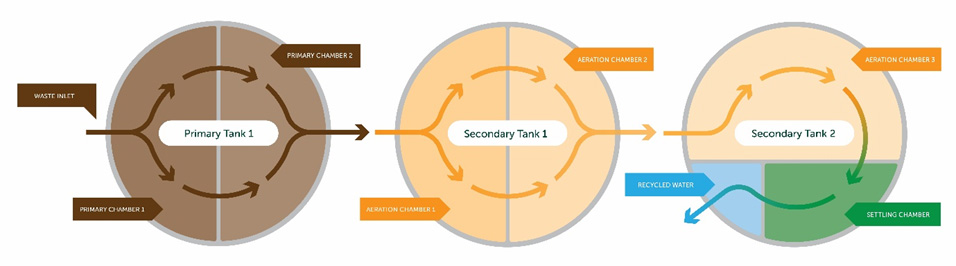
  • The Homebuilder Grant can also be used for home renovations such as adding additional bedrooms and/or bathrooms to accommodate more people. When adding more people living in the home or increasing the use of water in the home and you already have a septic tank, it’s a good idea to see if the current septic system is large enough to handle the increased use. If not, it’s time to upgrade the system to a bigger unit or possibly move away from the old soakage system septic tank to an aerobic septic tank, and take advantage of recycling your waste water at the same time.

It’s been a stressful year to say the least and you deserve some upgrades in your life. If you’ve already applied for the Homebuilder grant and are planning the build of your new home or the renovation of your existing home, be sure to consider your septic system needs. The experts at Ri-Industries will be happy to help you choose the best solution for your home. 


Weather and Septic Tanks – What You Need to Know

by Ri Industries

You may not think about the impact of weather on septic tanks as the seasons change, but since weather can affect the functioning of septic tanks, it’s a good idea to understand how it can affect it and what you should do about it. 

We typically give no thought to the septic system at our home or place of business until something goes wrong. And many problems can arise when the septic system isn’t properly working. Fortunately, like most things in life, knowledge and prevention can help keep things running smoothly.

Take the weather, for instance. Having the knowledge that weather can affect how the septic system works means you can take steps to prevent problems. Let’s take a look at weather and septic tanks:

    • Cold Weather – Bacteria in the septic tank is used to digest waste. Waste that is left behind by the bacteria will settle to the bottom of the tank as sludge. Cold weather can cause the bacteria to slow down or even come to a complete stop. When this happens, the sludge builds up and problems arise. Fortunately for those of us living in South Australia, bacteria typically doesn’t slow down until the temperature drops to 10 degrees celsius or below. 
    • Heavy Rainfall – Lots of rain can saturate the drain field which means water will be unable to drain from the septic tank. When this happens, the water will move backwards through the pipes and up into the toilets and various drains in your home. It can also cause untreated sewage to make its way into the groundwater and/or local bodies of water causing contamination.

Now that you have some knowledge about weather and septic tanks, how do you use the knowledge to help keep things smoothly flowing? This is where prevention comes into play.

Prevention is the best tool against malfunctioning septic systems.

  • In a previous blog, Preparing Your Septic Tank for Colder Weather, we shared a number of tips about getting ready for cold weather. The first tip, Get Pumped!, is one of the most important preventative steps you can take … and it only needs to be done approximately every 3 – 5 years! Pumping the septic tank will help prevent problems due to cold weather as well as heavy rainfall. 
  • You can also prevent problems by avoiding harsh chemicals or substances that can negatively affect the bacteria population. We have a number of blogs with household tips for your reference. 
  • Heavy vehicles or machinery can damage the drain field, so be sure to place them away from the septic area. 

Knowledge about weather and septic tanks can help you prevent problems. If you have questions or are in need of a new septic tank, please call us at 8444 8100 and we’ll be pleased to assist you. 


Toilet Paper – Which is Best for Septic Systems

by Ri Industries

Toilet paper: A necessary item for all of us, but one we don’t give much thought to until a problem arises, like a clogged toilet, a septic system in need of repair, or a worldwide shortage like we experienced in 2020. We may not be able to help you with the supply and demand issue, but we certainly can share important information to help avoid clogged toilets and damaged septic systems.

It’s actually quite simple. Your choice of toilet paper and how much is used can make a big difference in how well a septic system works. We’ve previously spoken about this in our blog Which Toilet Paper is Best for my Septic System?.

What characteristics of toilet paper are best for the septic system?

Recycled paper – The benefits here are the lack of bleach or other harsh chemicals that might affect the delicate balance in a septic system.
Biodegradable paper – This paper is specially designed to break down quickly. Non-dissolvable fibers are not used and the bonds in the paper are looser than non-biodegradable toilet paper.

The industry experts over at sensibledigs.com have formulated their list of the Best Toilet Paper for Septic Systems of 2021. Even though they are based in the US, the good news is that most of these toilet paper brands are available in Australia, too. Here are their choices:

  • Best Ultra Soft – Cottonelle Ultra Comfort Toilet Pap
  • Best 2-Ply Septic-Safe – Amazon Brand Presto   
  • Best Scented Septic-Safe – Angel Soft Lavender Toilet Paper 
  • Best for RVs – Firebelly Outfitters RV Toilet Paper 
  • Best Recycled – Seventh Generation White Toilet Paper 
  • Best Bamboo Septic-Safe Toilet Paper – Caboo Tree-Free Toilet Paper 

Now you may be wondering what are the characteristics of toilet paper that are bad for the septic system:

  • Quilted – The adhesion between the layers will make this paper more difficult to break down.
  • Triple (or more) Ply – Again, it’s about the layers. The more layers the paper has, the longer it will take to break down.
  • Scented – The fragrance added to the paper introduces harsh chemicals into the delicate balance of the septic system. The experts chose Angel Soft Lavender Toilet Paper for the ‘Best of’ list because it’s not the paper itself that is scented, it’s actually the tube the paper comes on that is scented – clever!

Now that you’ve carefully chosen the safest brand of toilet paper for your septic system, we should talk about how much toilet paper to use: As little as possible. Should the need arise to use more paper than usual, flush throughout the use.

The septic system is designed to be out of sight and out of mind. You can help to keep it that way by smartly choosing the right type of toilet paper and limiting how much you use.

Have questions? Give us a call at 08 8444 8100.

Introducing the EP10 Secondary Treatment System

by Ri Industries

Ri-Industries is pleased to announce our new Ri-Treat product called the EP10 Secondary Treatment System which allows you to reclaim your waste water by recycling and reusing water around the home. This product has replaced our previous Ri-Treat units, including the 3250, 4250 and 4500.

Like all our products, the EP10 is guaranteed superior quality and engineer designed. In fact, our customers repeatedly tell us that “Ri-Industries products are the best in South Australia.” What’s particularly exciting is that the EP10 is the only SA-manufactured secondary treatment system that’s been tested, certified and approved to the Australian Standard (AS/NZS 1546.3:2017) for South Australian conditions. After rigorous testing over the last 18 months, it has been approved by SA Health and carries the SAI Global ‘5 ticks’ StandardsMark License.

Choosing the Ri-Treat EP10 gives you a number of advantages:

  • A mono cast 50 MPa reinforced concrete construction, with no fibreglass or plastic structural components, means that no untreated effluent will escape into the environment.
  • The high-quality biofilter medium, with the added bonus of bristle filters, enhances the purity of the recycled water.
  • All irrigation pumps are Lowara stainless steel and are submersible, quiet, reliable and inexpensive to operate.
  • The Japanese Mac100 air blower offers the most reliable and efficient aeration and has a 2-year warranty.
  • Child-proof and vandal-proof lids give you additional peace of mind.
  • A 15-year warranty on tank construction – longer than comparable products.
  • The operation of the unit has other unique features, such as automatic sludge and skimmer returns.

Please note, our approvals only cover the manufacture and sale of the unit. Therefore, installation and commissioning are the responsibility of the purchaser and all servicing must be carried out by an authorised service agent.

If you have any additional questions about the EP10, please do not hesitate to contact us at 08 8444 8100. Our expert staff will be happy to assist you. In the meantime please check out the new EP10 website page and EP10 brochure for more information.

Why Rainwater Tanks are Popular and Important in South Australia

by Ri Industries

Rainwater tanks are popular and important in South Australia because they help us conserve water. Let’s look at how they are used and how much water they can save.

In South Australia, rainwater tanks are used in communities without access to reticulated water sources, in communities where good quality water supplies are limited, in areas where local regulations require rainwater storage be provided for bushfire prevention, and in urban areas, such as Adelaide and regional communities, which have access to mains water but owners want to conserve water. 

Some advantages of rainwater tanks include:

  • The use of rainwater costs less than mains water
  • Rainwater causes less erosion to household appliances due to their low salinity content
  • Protects water supplies by conserving mains use
  • Rainwater is softer than mains water which may mean you use less soap, detergent, and shampoo

To read more about the benefits of rainwater tanks, please see our blog, What are the Benefits of Rainwater Harvesting.

One of the main benefits of rainwater harvesting is the ability to conserve to water. So, how much can you save? Put into everyday terms, a family of four in Adelaide, with a 100m² roof catchment area and a 1000L tank can capture enough rainwater in one year to:

  • Flush a toilet twice per day per person

OR

  • Provide one bath per person per week (150L tub)

OR

  • Run a sprinkler system for one hour five days a week (1.5 L/min)

OR

  • Wash dishes in the dishwasher every day

OR

  • Give each person a 5 minute shower twice a week (standard flow shower)

If we’ve piqued your interest in rainwater harvesting and you would like to learn about our rainwater tanks, please see information on our website or call us at 8444 8100.


Rainwater Harvesting Benefits Farming and Agriculture

by Ri Industries

Farming and agriculture play an important role in Australia. Rainwater tanks contribute to their success by reducing their reliance on mother nature.

Farms require an abundance of water to keep their crops and livestock healthy. In Australia, which is known for its dry climate, rainwater tanks Adelaide can help keep the water flowing despite a lack of rain. Another concern of farmers is the outbreak of disease or parasites. When this occurs, it’s in their best interest to have access to their own clean water supply.

Farmers use rainwater harvesting, which is the primary and most efficient component of water supply management for rural and regional Australia, to fill the rainwater tanks. Rainwater that falls on the roofs of houses, sheds, and other farm buildings is collected and stored in tanks. This is an easy way to locally collect water and use it where and when it’s needed.

The collected water can be used in various applications such as feeding stock, spraying crops, and storing water for firefighting. The quality of rainwater is typically superior to water from sources such as dams and local waterways which means it can also be used for domestic use.

Rainwater harvesting is expected to become more popular in the years to come. This is in part due to the cost-effectiveness of rainwater harvesting as compared to setting up main water and sewage services in semi-rural and rural areas. In fact, rainwater harvesting is so cost-efficient that arguments have been made that it should be used more widely in urban areas as well.

The bottom line is that safely storing water in tanks is a cost-effective way to see you through many types of water crises, including drought. If you’d like to learn more about rainwater harvesting and/or Ri-Industries rainwater tanks, we have a range of articles you can read available on our website. Of course, we’ll be happy to take your call to answer questions as well. You can reach us at 08 8444 8100.