Don’t Waste Rainwater! Use Rainwater Tanks.

by Ri Industries

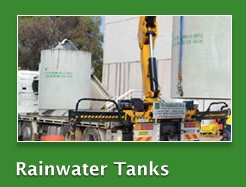
South Australians take steps every day to save water: shorter showers; turning off the tap when brushing teeth; and other techniques. But when it rains, many of us let the water go to waste. Ri Industries has a solution. Concrete rainwater tanks.

Why use rainwater tanks? Because rainwater is a valuable natural resource. Using rainwater can reduce water bills and provide alternatives during water restrictions. Using rainwater can also decrease stormwater runoff which will reduce local flooding.

One of the great things about using rainwater is that it can be used for almost all domestic uses. It is recommended that water used for drinking and cooking come from the public reticulated water supply, but for all other purposes rainwater is an excellent alternative.

Why use Ri Industries concrete rainwater tanks?

  • The water stays cooler.
  • No algae develops.
  • The water has no after-taste.
  • They are bullet proof, vandal-proof and fire-proof.
  • Being underground means they are out of sight and don’t take up much of your valuable real estate.
  • Above ground tanks can be spray painted to fit in better with your surroundings.
  • Concrete is stronger and more durable.

Showers, baths, gardening, dishes, clothes washing, toilet flushing are all activities perfect for using rainwater. Learn more by calling us at 08 8444 8100.

Why Should I Worry About Water Conservation?

by Ri Industries

Hearing about water conservation when living in Australia is common. We know there is a shortage and we understand that we should take steps to help conserve it. Taking these steps in our daily life can sometimes be frustrating and it’s easy to ignore the steps “just this once.” Ri Industries provides quality products to help make water conservation as seamless and simple as possible for you and we thought sharing a few facts about why water conservation is so important might help keep you motivated.

  • Water is nature’s most precious resource and it is needed to sustain life. Well, that seems important enough that we could just stop there, but we have more.
  • Since the 1950s, every decade has witnessed more water withdrawals by humans.
  • Water is used commercially, domestically, industrially and for irrigation purposes. It plays a vital role in the life support system.
  • Water levels across the globe are decreasing and there are signs of stress on all water resources.
  • The plants and animals we eat also depend on water. Our food supply is at risk when we waste water.

Conserving water requires efforts from every human being on this planet. We must all make a concerted effort on a daily basis. Ri Industries is proud to offer solutions to help conserve water on our planet. To learn more, please call us at 08 8444 8100.

Safe Cleaning Products for Waste Water Treatment System

by Ri Industries

An excellent way to conserve water is by reclaiming waste water to recycle and reuse it around the home. The Ri-Treat Waste Water Treatment system is designed and manufactured in South Australia and guaranteed to be of superior quality and is a great choice for your home.

Once installed, you want to be sure to follow the guidelines for proper use. One important consideration is the choice of cleaning products you use in your home as they can have an effect on the waste water treatment system.

The following are suitable cleaners:

  • Vinegar
  •  Bicarbonate of soda
  •  Soap – in the form of washing powder, dishwashing liquid and ordinary body soap
  •  Biodegradable cleaning liquids

Disinfectants should be used sparingly. Bleach, antibacterial solutions or toilet cleaners should NEVER be used.  Should any form of bleach enter the system this will cause the system to work inefficiently. The bleach will kill off all the ‘good bacteria’ and can create an odour from the system. In addition, doing 2 or more loads of washing in a 24 hour period can mean the system will not operate effectively. It is recommended that clothing be washed over a period of time to ensure effective operation of the system.

Ri-Industries is proud to deliver quality products which help residents of South Australia with the important task of conserving water. Please call us, at 08 8444 8100, to learn more about our products.


Septic Tank Delivery Made Simple

by Ri Industries

If you have chosen to install a septic tank manufactured by Ri-Industries, then you’ve taken the time to research and choose the best product, so now let’s keep things running smoothly by ensuring problem-free delivery.

We understand that the timing of the delivery is extremely important. We work closely with you and your chosen plumber to coordinate delivery times. We employ a fleet of vehicles which are driven by courteous and knowledgeable drivers who will do their best to help you with the on-site delivery.

delivery21    shane-photos-071

To make sure the delivery process goes as smoothly as possible, please keep these tips in mind:

  • Our trucks are 10 metres long and 2.5 metres wide.
  • We will need to reverse up to the hole therefore easy access is very important.
  • A clear, level site is required to unload the tank in your excavated area.
  • 4.7 metres is needed for the truck to pass under trees and overhead power lines.
  • A minimum height clearance of 8 metres is required when unloading.
  • 4 metres clearance is required between gate posts.

We look forward to supplying you with our quality septic tanks. Please call Ri-Industries, at 08 8444 8100, with any questions so we can assist in making the process the best it can be.


Teaching Kids About Green Living

by Ri Industries

“Green Living”, “Green Cleaning”, “Reduce, Reuse, Recycle”. These are all terms our children hear just about every day. We talk to them about saving our planet, the importance of trees, and that it is wrong to litter or pollute. The environment is important to us too at Ri Industries. We work hard to help our community conserve water and have clean water to drink. But we wonder, are these politically correct terms just words our kids are used to hearing, or do they truly understand the importance of their message?

We encourage interactions that produce true understanding in the kids. In a previous blog, we wrote How to Teach Children About Water Conservation. Now, we would like to talk about the green movement in general. We searched for resources or tools that would be useful and came across Jim Henson’s Sid the Science Kid. Here are some tips that Sid offers:

*Don’t waste water
You can save water by turning off the faucet while brushing your teeth, telling an adult if the faucet is leaking and not filling the bath tub to the very top. We can only use a teeny part of the water that’s in the world, so we have to try to not waste it.

*Reduce air pollution
Engines create dirty air which is also known as air pollution. You can reduce air pollution by riding bikes and walking instead of using a car. If we stop our air from getting dirty in the first place, we won’t have to worry about cleaning it later.

*Plant a tree
Trees are beautiful and they are useful in so many ways. One of the most important things they do is clean the air we breathe. You can do your part to help by planting a tree, and watering trees and plants to help them grow.

*Recycle
Objects made of glass, paper and plastic should be recycled because they can be made into something new. Help mom and dad separate all recyclable products from the trash and take them to a recycling center.

* Preserve animal habitats
Animal habitats are all around us. A habitat is a place outdoors where animals live and find food and shelter. Be careful not to disrupt habitats when you share their space. If we interfere with a habitat, the animals’ homes could be destroyed.

The best way to teach our children is leading by example. Don’t just talk to your kids about “going green”, but work green concepts into your daily life. We only have one planet to leave them, let’s make it a good one.
 

How to Avoid Common Septic System Problems

by Ri Industries

What is a septic system? Essentially it is a large tank where human biological waste materials are broken down. Natural bacteria break the waste down into three components: gases, water, and solids.  The gases and water are eliminated into the environment while the solids sink to the bottom of the tank and eventually will be pumped out. If human biological waste were the only substances to enter the septic system, many of the commonly known problems would not occur.

Most households require their septic system to handle much more than human waste materials. For example, kitchen wastes, water from baths and showers, out put from dishwashers and washing machines including soaps and cleansers. Non-biodegradable items also make their way into the septic systems.

The added substances and extra work required of the septic systems are where many of the problems arise.  Why? Here are a few reasons:

  • Water levels rise more quickly than the solids can break down due to the excess water. This forces the solids into the distribution tubes which are solely designed for water.
  • Non biodegradable substances also cause the water levels to rise forcing the solids into the distribution tubes.
  • Detergents contain phosphates that act as fertilizer causing algae growth which blocks the perforations in the distribution tubes.

The above issues can be avoided or reduced by:

  • Spread the clothes washing out over the course of the week.
  • Shorten the length of showers.
  • Use liquid or gel soaps in dishwashers and washing machines as they do not contain phosphates.
  • Eliminate kitchen wastes.
  • Keep all non biodegradable substances out of the septic system.
  • Have the tank pumped on a regular basis.

For further guidance on maintaining your septic system, call Ri Industries at 08 8444 8100.

Tips to Conserve Pool Water

by Ri Industries

Whew! It’s hot outside and nothing would feel better than a dip in the cool water of your pool. Go ahead. No need to feel guilty about “wasting” water. Ri Industries understands the importance of conserving water in South Australia, but there are ways to enjoy yourself and conserve pool water.

There are a number of effective ways to conserve water in the pool and spa:

  • What goes in does NOT have to come back out. Once the pool is filled do what you can to keep the water in the pool. Discourage splash fights, especially with people on the pool deck. Cannonballs may be fun, but their large splash typically sends water out of the pool. Fill squirts guns from the tap and not the pool.
  • Reduce evaporation by covering the pool during the highest evaporation times, early evening.
  • Reduce backwash from the filter. If you can, install a cartridge filter which does not require backwashing.

You work hard and deserve to enjoy your pool and/or spa. With a few adjustments, you can keep more water in the pool and help South Australia conserve water. For more information on our rainwater tanks, please call 08 8444 8100.

Plants for Your Low Water Backyard Garden

by Ri Industries

Garden plants help to define spaces and provide shade, screening and privacy. While you want the plants to be attractive, here in South Australia it is important to choose plants that have low water needs.

To help you get started, Hunter Water has compiled a list of such plants which we share here:

  • Small Trees: Crepe Myrtle, Medlar, Quince, Swamp Mallet, Willow Bottlebrush
Crepe Myrtle

Crepe Myrtle

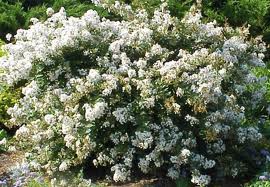
  • Screening Shrubs: Feijoa, Escallonia, Common Myrtle, Hillock Bush
Common Myrtle

Common Myrtle

  • Small Shrubs: Gold Dust Wattle, Sage-Leaf Rock Rose, Native Fuchsia
Gold Dust Wattle

Gold Dust Wattle

  • Ornamental Grasses: Feather Reed Grass, Turf Lily, Spiny-headed mat Rush, New Zealand Flax
Feather Reed Grass

Feather Reed Grass

  • Lawn Grasses: Common Couch, Buffalo Grass, Weeping Grass
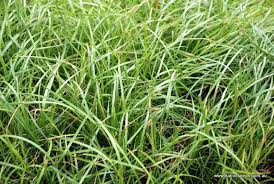
Weeping Grass

Weeping Grass

Ri Industries has additional tips to help reduce water use in the garden. Please read our blogs, “Design Your Garden to Use Less Water” and “Reduce Water Use in the Garden.”

Garden Design Requiring Low Water Maintenance

by Ri Industries

Tending a garden in South Australia can be a challenge due to our dry climate, but it is possible to design a garden to use less water. The following tips come via Hunter Water and can be useful to help you design a dream garden for your home.

  • Construct draining ditches so that they finish in garden beds.
  • Paths and courtyards can be pitched to drain to garden beds
  • Decks, gravel paths and gravel edges to paving can allow water to
    soak into the ground.
  • Minimise lawn areas with paving, paths, decking and garden beds.
  • Minimise the number of pot plants as they dry out quickly and use more water than the same plant in the ground.
  • Minimise evaporation by using trees, fences, garden walls and shade cloth.
  • Mulch is magic for water saving. It reduces moisture loss but also suppresses weeds, maintains soil temperatures and generally improves the soil.
  •  Group similar plants according to their water needs and you will reduce your overall
    watering need.

Learn how the Ri –Treat Waste Water System can recycle your waste water for use in your garden and find even more helpful tips in Ri Industries blog “Tips to Save Water in the Garden.”


Ri-Treat Waste Water System Helps Save Drinking Water

by Ri Industries
Ri-Treat – Waste Water Treatment System

Ri-Treat – Waste Water Treatment System


Think about how much water you use each day. Chances are, much of the water you use in the house and garden is potable (drinkable), but do we use it in that way? The answer is simply, no. We are wasting our drinking water.

You may have read articles or experienced water shortages. You may make an effort to take shorter showers or turn off the water while brushing your teeth. Thank you for that. Every effort helps. To make an even larger impact, how about reusing waste water?

By using waste water as a resource rather than a waste product you can:

  • reduce water bills
  • use fewer water resources
  • irrigate the garden during drought or water restrictions
  • cut down the amount of pollution going into waterways
  • help save money on new infrastructure for water supplies and wastewater treatment
  • decrease demand on infrastructure for sewage transport, treatment and disposal, allowing it to work better and last longer.

The Ri-Treat Waste Water Treatment System separates and digests solid wastes and uses natural processes to purify waste water. This odourless, clean, disinfected water is then recycled through garden sprinklers. To learn how this system works, please follow this link to the Ri Industries website or call us at 08 8444 8100.


Why is Water Conservation So Important?

by Ri Industries

Water is one of the most important natural resources we need, but it is also a resource we have misused and wasted. To better understand the growing importance of water conservation, let’s look at a few facts.

First, the average adult human body is 50-65% water, averaging around 57-60%. The percentage of water in infants is much higher, typically around 75-78% water, dropping to 65% by one year of age. To remain healthy, we must replenish the water we lose through sweat, tears, urine, etc. We need drinkable water supplies in abundance.

Second, the Earth has a finite amount of water. The water we have now is all we get, it is recycled over and over. The water cycle can help understand why this is.

Solar energy evaporates water from the ocean, lakes and rivers. Millions of litres of water rise into the atmosphere as an invisible gas – water vapour. This process is called evaporation.

As the water vapour is pushed over the land by winds and rises over mountains, the water vapour cools and turns back into tiny water droplets, forming clouds. The droplets joining together is termed condensation. These droplets fall to earth as rain (precipitation).

The rain runs into streams and rivers, which eventually flow into lakes or the sea and the cycle begins all over again.

Third, water is required for our food. It grows our fruits and vegetable and it is consumed by cattle.

Fourth, water is necessary for plant life which is necessary to keep us healthy. Plants re-oxygenate the air. Plants are used to make medications. Trees are used for housing, paper, and so much more.

The above are just a few tidbits to help explain why Ri Industries is so committed to water conservation efforts. To learn how our products can help with conservation, call us at 08 8444 8100.

Where Does Water Come From?

by Ri Industries

How many sources of water do you know? There may be more than you realize, which is why the theme for this years’ National Water Week (19 -25 October 2014) is Water Sources.  The concerns of water shortage in Australia is well known, so it is vital that we understand where our water comes from and how we can make it last.

Here is a basic list of water sources:

  • Surface water – water on the Earth’s surface which can be found in a stream, river, lake, wetland, ocean or a dam.
  • Groundwater – water that occupies the spaces between particles of soil (sand, silt and clay) or rock beneath the earth’s surface.
  • Desalinated water – Desalination is the removal of salt, especially from sea water.
  • Stormwater – rainwater that has run off roads, roofs, paved areas etc. and is usually conveyed by constructed drains.
  • Wastewater – mostly from showers, baths and washing machines. After you’ve used your water, it enters a wastewater pipe, and then into the sewer mains (if you’re on mains) and eventually it reaches a wastewater treatment plant.
  • Groundwater replenishment – an innovative concept where treated wastewater is further treated to drinking water standards and recharged into groundwater supplies. The water is then stored and taken out some time later for further treatment and supply to a drinking water system. This source is currently only available in WA.
  • Recycled water – the use of treated wastewater or appropriately treated drainage water.  Before being recycled, wastewater is treated, according to stringent health regulations, to meet the appropriate standard for its intended use.  When reused for a beneficial purpose, this water is known as recycled. Increasing the amount of water we recycle is vital to maintaining a reliable, safe and sustainable water supply and becoming climate resilient. Recycled water can be used for a range of purposes such as:
  1. Irrigation of sports grounds, golf courses and public open spaces
  2. Industrial processing
  3. Groundwater replenishment
  4. Toilet flushing / clothes washing / garden watering
  5. Environmental benefits (e.g. maintaining wetlands) Irrigation of food crops. Irrigation of non-food crops (e.g. trees, woodlots, turf, flowers)
  6. Construction / dust suppression

Ri-Industries concrete rainwater tanks and Ri-Treat waste water treatment systems are exceptional tools to help reduce water waste. Call us today on 08 8444 8100, to learn more about our products.